Walk the closed-off stretch of California Avenue between El Camino Real and Birch Street this month and you will find one new kitchen already seating guests, and several more sitting behind papered windows with construction underway or a lease just signed. That mix is the easy story, the one every roundup of Palo Alto's new restaurants leads with. The story underneath it is less obvious and more useful if you actually live here: the city approved two parklet designs on June 1.
For most of the past year, that was an open question. Palo Alto had floated a plan to clear the parklets off Cal Ave entirely and replace them with open tables and umbrellas. Restaurant owners pushed back hard enough that the plan died. What the city approved instead, after months of back and forth, tells you more about how this block will feel for the next decade than any single opening does.
The Vote Nobody Outside Cal Ave Noticed
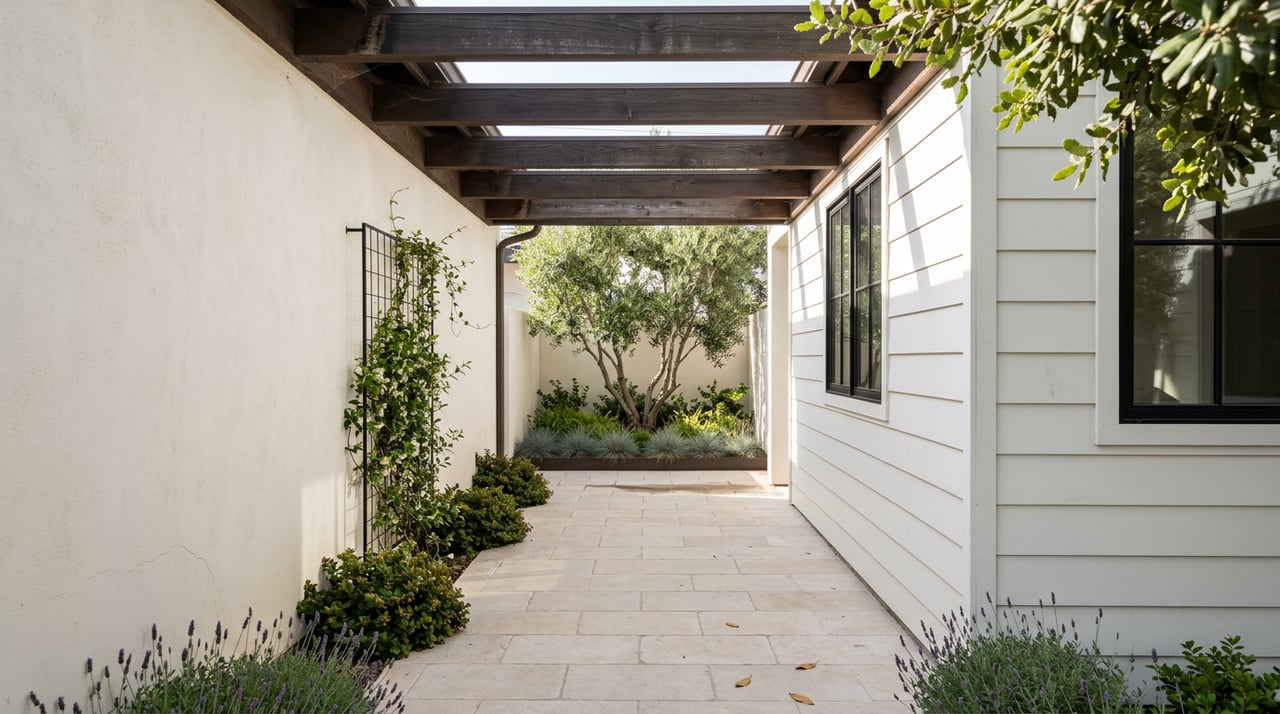
The city council's June 1 decision settled on two approved parklet designs for the car-free stretch of Cal Ave: a cabana model with a sloped roof and overhangs, and a pergola model with a flat roof. The distinction matters more than it sounds. The rejected version would have left diners exposed to the marine layer that rolls into the Peninsula most summer evenings. Merchants argued that people do not linger outside in weather without a roof over them, and the council agreed.
The same session resolved a smaller fight that had been simmering over how cyclists move through the corridor. Rather than adding a dedicated two-way bike lane, which merchants worried would encourage speeding through a pedestrian-heavy block, the city opted for thermoplastic bands laid into the pavement. They function as a traffic-calming texture, not a formal lane, and they let cyclists still cross through Cal Ave while nudging them to slow down.
Neither decision generated much attention outside city hall. Both decisions shape the streetscape around the corridor's coming restaurant openings.
One Confirmed Opening, and Several Committed Ones
On Page Mill Road, chef Maxime Roucoule and owner Giuseppe Carrubba opened The Rendezvous, a French-Italian bistro and wine bar, this June. Roucoule is bringing back the escargot, mussels, and pâté that made Pastis, the Cal Ave bistro that ran for more than a decade before closing in 2022, a neighborhood staple. As Palo Alto Online reported, he put it simply:
"Half of the menu is what I used to do at my old restaurant."
The wine list runs about 300 labels split roughly 40 percent French, 30 percent Californian, and 30 percent Italian, with eight flights priced between $23 and $35. That is not a pop-up's wine program. It is a substantial wine program for a neighborhood bistro.
The other projects along the corridor are at earlier stages, which is worth knowing before you plan an evening around any of them. A matcha café called Rikyu is taking over the former TOMO Tea House footprint on Lytton Avenue, built by the team behind Los Altos omakase restaurant Hiroshi. Public records show the ownership change went through in March, but as of this summer the café's own site still describes the space as under construction. A few doors down, a Japanese curry and yoshoku concept announced for the old Poke One space has a summer target but has not posted hours or started taking orders, so treat it as close rather than open. On Cambridge Avenue, Arsicault Bakery announced a Palo Alto storefront at the start of the year, though its exact opening date has not been confirmed since. And a French bakery chain with locations in Santa Clara and Los Gatos plans to fill the long-vacant Antonio's Nut House space on California Avenue itself, with an opening the owner now expects late this year after a significant delay.
| Spot |
Location |
Status as of this summer |
| The Rendezvous |
Page Mill Road |
Open, confirmed June 2026 |
| Rikyu (matcha café) |
Lytton Avenue, former TOMO Tea House |
Under construction |
| Curry and yoshoku concept |
Lytton Avenue, former Poke One |
Announced, no confirmed hours |
| Arsicault Bakery |
Cambridge Avenue |
Announced, opening date unconfirmed |
| French bakery chain |
California Avenue, former Antonio's Nut House |
Expected late 2026, after delay |
The corridor's new and pending restaurants are part of the same summer snapshot as the streetscape decision. That overlap is worth noting without assuming that the decision drove each commitment.
Why the Cluster, Not the Count, Is the Story
Cal Ave adds restaurants most years. What is unusual this year is how tightly packed the new and pending ones sit, with several of them within a fifteen minute walk of the Cal Ave Caltrain platform. That kind of density around a single transit stop has not happened here in the past decade, and it changes the math for anyone deciding where to eat on a weeknight once the pipeline catches up. Instead of choosing between one or two options near the train, residents will soon be choosing between a French bistro, a Japanese curry spot, a matcha café, and a bakery, all inside a walk that used to feel too short to bother mapping.
The Thursday You Can Still Catch This Month
The city's Thursday Live on Cal Ave series has leaned into that density rather than competing with it. A Wine Walk ran on July 30 from 5 to 8 p.m., pointing foot traffic toward the corridor's wine bars and restaurants during the calmer midweek slot. The series closes out its summer run with a wellness and end-of-summer program on August 27, which gives residents still working out their calendar one more organized reason to treat a Thursday on Cal Ave as a plan rather than an afterthought.
Neither event requires advance tickets or a reservation strategy. Both are built around the same premise as the parklet redesign: give people a reason to be outside on this specific block, and give them a roof to be outside under.
The Five-Story Preview Down the Block
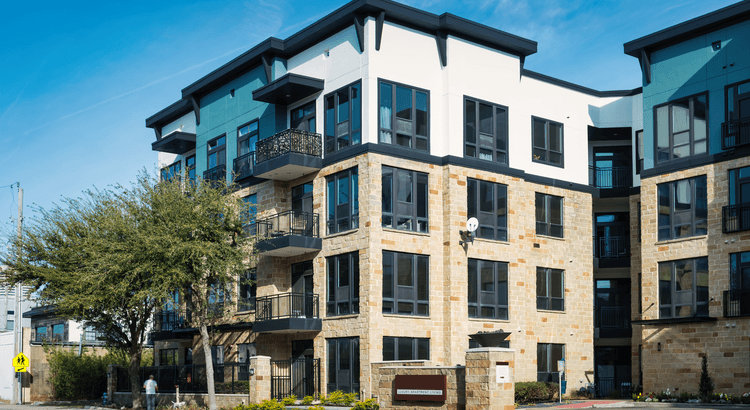
Not everything reshaping Cal Ave right now is a restaurant. On July 1, the rules for building housing along the corridor changed under a new state law, and the first project has already been filed. A proposed mixed-use building at 414 California Ave would rise five stories, using Senate Bill 79 to reach 72 feet within a quarter mile of the Caltrain stop, well beyond what local zoning alone would normally allow. The plan calls for 39 apartments over ground-floor retail and restaurant space, with two underground parking levels holding 75 stalls.
Whether or not that specific project gets built as filed, it is a preview of the kind of density Cal Ave is now zoned to absorb near transit. The proposed apartments and the newly approved outdoor dining format are two separate developments shaping the area around the Caltrain stop. Together, they offer a snapshot of how the corridor is changing.
What Holds a Block Together
The roofs and traffic-calming bands settled one question about the street, while the zoning change opened another. The restaurant openings and plans are part of the same summer snapshot, not proof that one decision caused the other. If Cal Ave feels different to you this summer, the reason is not that Palo Alto suddenly got hungrier. It is that the corridor is changing on several fronts at once.
If you are watching what a resolved streetscape does to property values nearby, or curious how transit-adjacent zoning changes like SB 79 might affect a home you own or are considering near California Avenue, that is a conversation worth having before the next round of filings changes the picture again. Gupta Heights tracks these shifts across the Peninsula as they happen, not after they show up in a market report. Schedule a consultation when you're ready to talk through what it means for you.
This article is general information, not legal, tax or financial advice. Consult a qualified professional about your situation.