House hacking can be a smart way to tame a Bay Area mortgage while building equity. If you are weighing a duplex in San Jose or adding an ADU to your home, you have options that can lower your monthly out-of-pocket costs. You also need a clear plan for financing, local rules, rent math, and timelines. This guide walks you through the two most common paths, compares rules across nearby cities, and shows how to run the numbers. Let’s dive in.
House hacking models that work
Duplex: live in one, rent the other
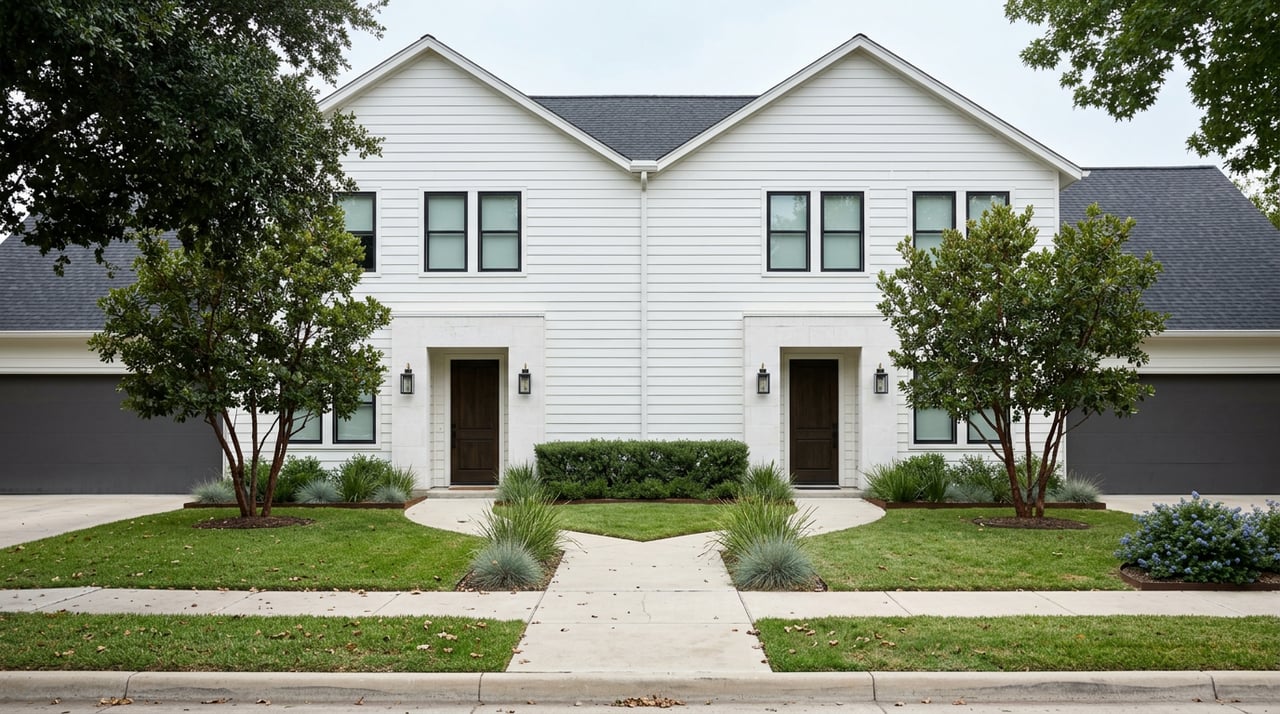
A duplex gives you two self-contained units with separate kitchens and baths. You live in one unit and rent the other to offset the mortgage. It is often easier to lease and manage because the rental unit is distinct, and utilities may be separately metered.
ADU: add a rental unit on-site
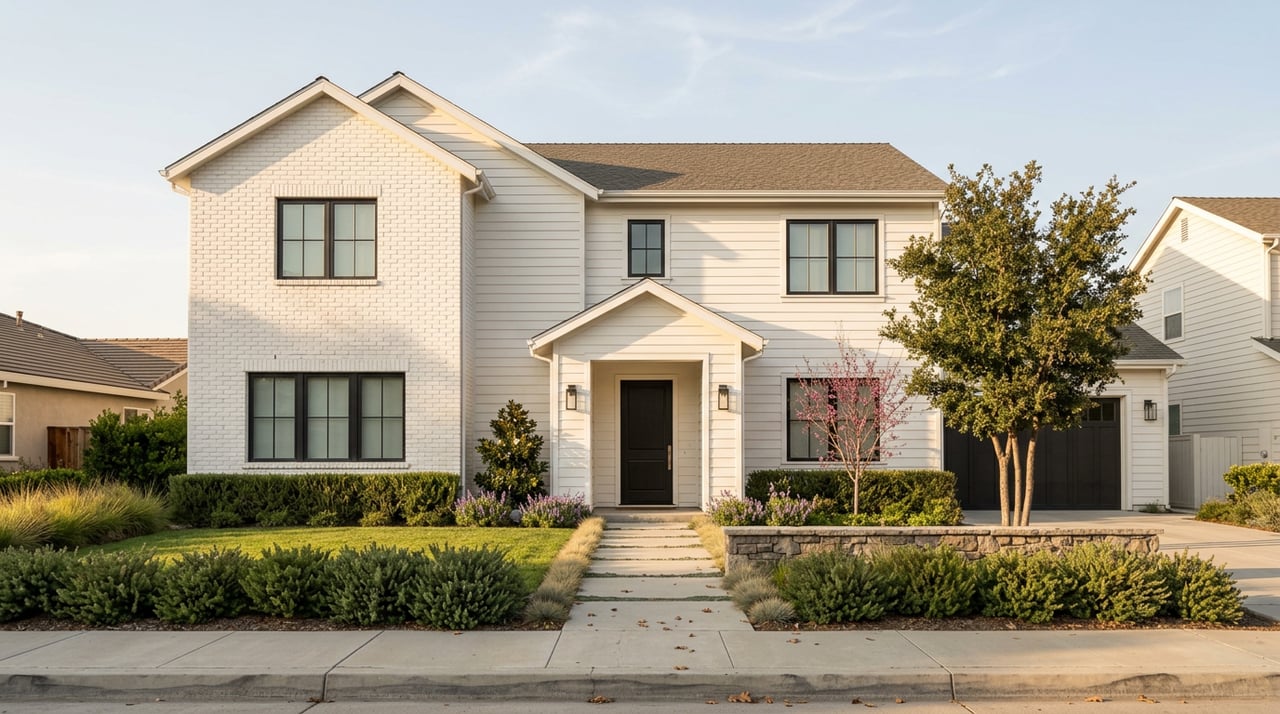
An ADU is a smaller detached, attached, or junior unit on a lot with a primary home. You occupy the main house and rent the ADU. State law has made ADUs easier to approve, but you still need to confirm site-specific rules, fees, and utility capacity in San Jose.
Roommate or hybrid approach
You can rent spare bedrooms in your home to reduce costs without construction. Some owners combine this with an ADU or a second unit for maximum offset. This model is simpler to start but requires more day-to-day coordination with housemates.
San Jose rules and nearby contrasts
San Jose: ADU-friendly with site checks
San Jose offers permitting pathways for ADUs and publishes guidance for homeowners. You still need to verify zoning, lot coverage, setbacks, historic status, utility capacity, and any special assessments or Mello-Roos. If the property has an HOA, review any limits on rentals and ADUs.
Oakland and Berkeley: stronger rent regulations
Oakland and Berkeley have local rent control and tenant protection frameworks that can affect rent growth and eviction processes. Some newer buildings and certain property types may be exempt. If you target these markets, confirm the unit’s construction date and whether the property is covered by local rent programs.
Statewide baseline: AB 1482
AB 1482 caps rent increases for many units and adds just-cause eviction protections after 12 months. Some single-family homes, condos, and certain duplexes may be exempt depending on ownership and other factors. Always verify whether your specific unit is covered and whether a stricter local ordinance applies.
Santa Clara checks
If your property search extends into Santa Clara, confirm city planning requirements, any local assessments, and ADU-specific fees. Santa Clara County assessments and parcel-level taxes can vary, so include them in your cost model.
Financing paths for owner-occupants
FHA, VA, and conventional options
- FHA loans can finance 1–4 units for owner-occupants and allow low down payments for qualified borrowers.
- VA loans allow eligible borrowers to purchase 1–4 units with favorable terms, often with no down payment.
- Conventional loans also support 2-unit owner-occupied purchases, with down payment and reserve requirements that vary by lender and product.
Funding an ADU
You can use cash, a HELOC, a cash-out refinance, a construction loan, or lender ADU programs to build. Requirements differ by lender, and appraisals typically value the ADU as a permitted improvement. Unpermitted units create financing and insurance problems, so avoid them.
Practical lending notes
- Expect an occupancy requirement after purchase.
- Lenders may require months of reserves for multi-unit or construction exposure.
- Check county-specific conforming loan limits for Santa Clara County.
- Insurers need to know you are renting a unit; plan for the right policy mix and adequate liability coverage.
Rent-offset math: clear, simple examples
Below are illustrative scenarios to show how income reduces your effective housing cost. Rerun with your actual rate quote, target rents, taxes, fees, and maintenance.
Example A: Duplex purchase
Assumptions (illustrative only):
- Price $1,000,000; 20% down; $800,000 loan at 6.0%; monthly P&I ≈ $4,796
- Other unit rent $3,500 per month; vacancy 5%
- Taxes ≈ $11,000/year; insurance ≈ $1,500/year; maintenance 5% of gross rent
Annual math:
- Gross rent: $42,000
- Vacancy: $2,100 → Effective rent: $39,900
- Operating expenses: $14,600
- NOI: $25,300
- Debt service: $57,552
- Cash flow: −$32,252 before tax
Owner’s effective monthly housing cost after rent: about $2,546. You may still run negative on a pure cash flow basis, but your out-of-pocket is often lower than renting a similar unit while you build equity.
Example B: Single-family + new ADU
Assumptions (illustrative only):
- Main home mortgage P&I ≈ $6,000/month
- ADU rent $2,500/month; vacancy 5%
- Added taxes ≈ $1,500/year; ADU insurance and maintenance ≈ $2,000/year
Annual ADU contribution:
- Effective ADU rent: $28,500
- ADU expenses: $4,000
- Net contribution: $24,500 before any ADU financing costs
An ADU can meaningfully offset the main mortgage. If you finance the ADU, subtract that debt service from the net contribution.
Example C: Roommate strategy
Assumptions (illustrative only):
- Rent two bedrooms for a total of $2,500/month
Roommates tend to deliver strong rent per square foot with minimal upfront cost. They also require more active management, clear rules, and the right insurance endorsements.
What to expect: timelines and exits
Hold periods
- Short term (1–3 years): possible, but transaction costs and ADU timelines make it tighter.
- Medium term (3–7 years): common for first-time house hackers to build equity and refinance.
- Long term (7–15+ years): many owners keep the asset for appreciation, rent growth, and tax advantages.
Exit strategies
- Sell and use the federal primary residence exclusion if you qualify. The rental portion may be subject to depreciation recapture.
- Refinance into investor financing and hold long term.
- Move out and keep the property as a rental, following local registration and compliance rules.
Due diligence checklist
- Confirm zoning and permitted uses for duplexes or ADUs.
- Verify that any second unit was legally permitted; check separate addresses or permits.
- Review utility capacity and the feasibility of separate meters.
- Check parking requirements, setbacks, and lot coverage limits.
- Order a full building inspection: foundation, roof, HVAC, electrical, plumbing, code compliance.
- Review HOA documents for rental or ADU restrictions.
- Check for historic districts, easements, encroachments, and special assessments or Mello-Roos.
- Understand local rent registration and just-cause rules where applicable.
- For ADUs: confirm timelines, permits, builder quotes, and potential impact fees.
Risk management and landlord basics
Tenant screening and compliance
Use compliant leases, document habitability standards, and follow local notice and just-cause rules. Plan for vacancy and turnover with conservative assumptions.
Insurance and liability
Combine an owner-occupant policy with landlord coverage for rented units, and consider an umbrella policy if renting multiple rooms or units. Lenders require hazard coverage and accurate disclosure of rental use.
Short-term rentals
Short-term rental rules vary by city and often differ for ADUs. Check current city policies before assuming nightly rentals are allowed.
Is house hacking right for you in San Jose?
If you value lower monthly housing costs and long-term equity, a duplex or ADU can be a practical path. San Jose’s framework is generally supportive of ADUs, and owner-occupant financing can help you control entry costs. The tradeoff is landlord responsibility, evolving local rules, and the need for rigorous math. With sound due diligence and the right financing plan, you can turn a high-cost market into a long-term wealth engine.
Ready to model scenarios, compare neighborhoods, and identify duplex or ADU-ready lots? Connect with NOOPUR GUPTA to plan your house-hack strategy.
FAQs
What is the difference between a duplex and an ADU for house hacking in San Jose?
- A duplex is two full units under one property where you live in one and rent the other, while an ADU adds a smaller, separate unit to a single-family lot that you can rent for income.
How do Oakland and Berkeley rent rules impact a house hack?
- Oakland and Berkeley have local rent control and just-cause frameworks that can limit rent increases and shape eviction processes, so confirm whether your specific unit is covered or exempt before you buy.
Can I use FHA or VA financing to buy a duplex in Santa Clara County?
- Yes, eligible FHA and VA borrowers can finance 1–4 unit properties when they occupy one unit, subject to lender underwriting, reserves, and occupancy requirements.
How does AB 1482 affect a San Jose duplex or ADU rental?
- AB 1482 caps many rent increases and adds just-cause rules after 12 months, but some property types may be exempt; verify applicability for your exact unit and ownership structure.
Will building an ADU increase my property taxes in Santa Clara County?
- Yes, the ADU typically adds assessed value, which increases your property tax bill in addition to any existing parcel assessments or fees.
Do I need separate utility meters for an ADU in San Jose?
- Separate metering is often helpful but depends on utility capacity and site constraints; confirm feasibility and costs during the planning and permit process.