Thinking about buying or selling a Los Altos fixer and wondering whether it makes more sense to remodel or start over? In a market where small differences in square footage, layout, and finish level can shift value by a lot, this decision is not just about construction. It is about math, zoning, timing, and risk. If you want a clearer way to evaluate the tradeoffs, this guide will walk you through the numbers that matter most. Let’s dive in.
Why this choice matters in Los Altos
Los Altos is a high-priced, fast-moving market, which makes underwriting more sensitive than many buyers expect. According to the latest Los Altos housing market data from Redfin, the median sale price was $5.55 million in February 2026, homes spent a median of 10 days on market, and 82.6% of homes sold above list price.
That kind of market can make a teardown look tempting. But it also raises the cost of getting the decision wrong. If you underestimate permit timing, overestimate finished value, or ignore lot constraints, your margin can disappear quickly.
Start with the four-value framework
Before you decide whether a property is a fixer or teardown candidate, build your analysis around four values:
- As-is value based on true fixer comps
- Land value based on teardown or lot comps
- Finished value based on renovated or new-build comps
- Total project cost including hard and soft costs
This framework keeps you from forcing a property into the wrong category. A house may look like a teardown, but if the existing structure already fits the lot well and supports a workable floor plan, a targeted remodel may produce a better risk-adjusted outcome.
Check what the parcel can support
In Los Altos, the lot itself often decides the answer. The city treats exterior alterations, additions, and new single-family construction as design-review projects, and some projects may require Zoning Administrator review under the city’s single-family residential guidance.
For many underwriting scenarios, the commonly referenced R1-10 standards are a good starting point. The city’s archived code materials show key constraints such as a 25-foot front setback, 10-foot first-story interior side setback, 17.5-foot second-story setback, 25-foot rear setback, 27-foot/two-story height cap, and 30% to 35% lot coverage limits depending on site and structure type. You can review those standards in the city’s R1-10 code materials.
These numbers matter because they directly affect usable design. Two homes with the same lot size can have very different buildable envelopes based on setbacks, lot shape, corner location, height limits, and daylight-plane restrictions.
Why envelope limits affect value
A rebuild is only worth more if the lot can support a materially better outcome. If the zoning envelope limits the layout, second-story massing, or total livable area, your projected after-repair value may not justify the added time and risk of a teardown.
On the other hand, if the existing home is functionally obsolete and the parcel supports a much stronger floor plan within code, rebuilding may create more value. The point is not to assume. The point is to model the lot, then price the result.
Verify constraints before you price anything
Before you compare rehab cost to ARV, verify the parcel in the city’s GIS Viewer. The city says the viewer can help identify zoning, land use, parcel data, historic designation, and FEMA flood-zone flags.
This step can save you from a bad assumption early. If the parcel has a historic designation, protected trees, or a more complex review path, the hidden entitlement burden can change the economics fast.
Use county records as a support tool
The Santa Clara County Assessor offers a Property Profile and assessed value resources that can help with parcel-level diligence and tax context. The county also notes that for parcels inside city limits, the city planning department is the primary source for zoning and development information.
That means county data can support your analysis, but it should not replace city verification. In Los Altos, zoning and permit path details are too important to leave to assumption.
Build a conservative ARV model
Your ARV should be based on recent closed sales, not optimistic list prices. In a market where Redfin reported a 107.2% sale-to-list ratio and median marketing time of 10 days, asking prices can be a weak anchor for underwriting.
A practical Los Altos ARV model looks like this:
Conservative finished-home comp price
minus selling costs
minus rehab or construction costs
minus soft costs
minus carrying costs
minus contingency
If the margin only works with aggressive assumptions, the deal may not really work. In Los Altos, conservative comp selection is one of the best ways to protect yourself.
Match comps carefully
For this type of analysis, apples-to-apples comp selection matters more than usual. Compare properties with similar zoning envelope, lot width and depth, setback constraints, and project outcome.
For example, do not compare a remodeled resale to a ground-up new build unless the end product truly competes in the same buyer pool. And do not use a larger, better-sited parcel as a shortcut comp for a more restricted lot.
Remodel costs are more than construction
A common mistake is to treat the contractor bid as the full project budget. In Los Altos, the real cost stack usually includes permit submission, revisions, inspections, compliance items, debris diversion, and possible tree-related work.
The city’s building permit process requires electronic plan submittals, comment responses and resubmittals when corrections are needed, and inspections during the permit process. The city also requires construction and demolition debris diversion for all demolition permits and for building permits valued at $25,000 or more, with a minimum 65% diversion rate for covered projects.
Do not overlook tree and review issues
Tree removal can add both time and cost. Los Altos requires a Tree Removal Permit for protected trees, and the Planning Division handles questions related to private-property tree removal.
This matters because a lot that looks easy on paper may become more complicated if trees affect the footprint, staging, or demolition plan. If your project already needs more review, that extra layer can become a real underwriting issue.
When a fixer often makes more sense
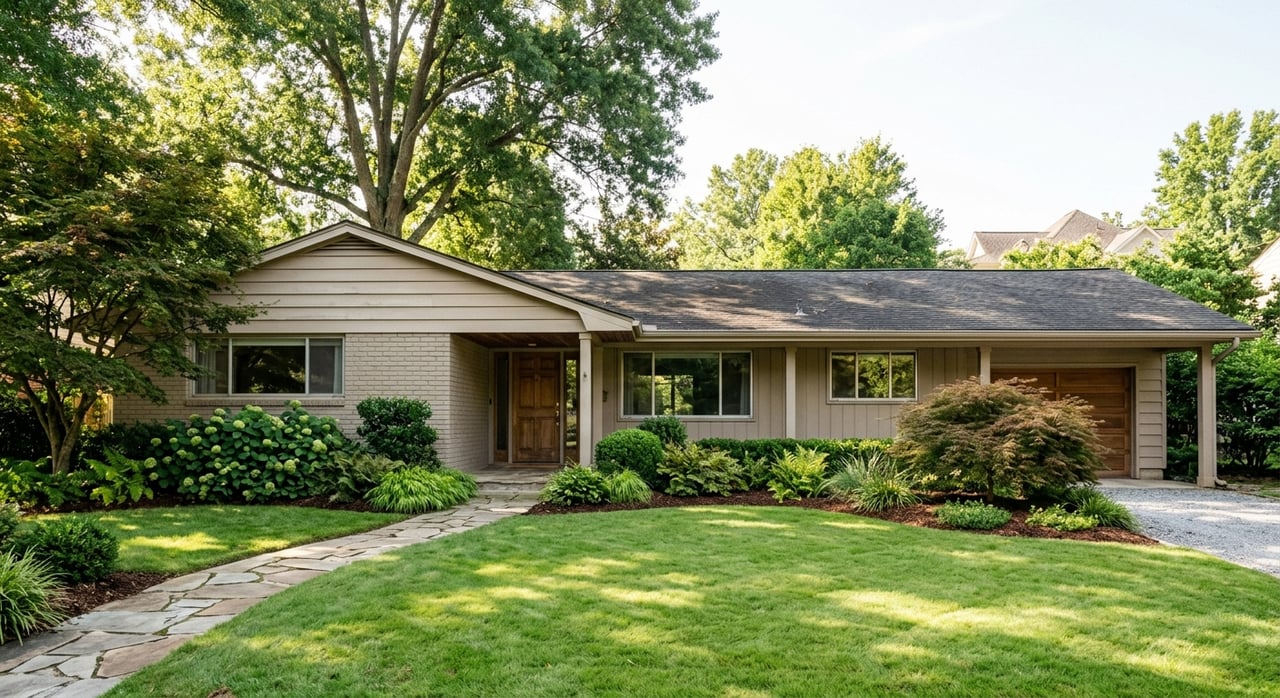
A remodel may be the better choice when the existing house already uses the lot efficiently. If the structure fits most of the envelope, the floor plan is salvageable, and the updates can move the home into a stronger resale tier without a full rebuild, a fixer strategy may offer lower execution risk.
This can be especially true when the parcel has constraints that reduce the upside of new construction. Setbacks, lot coverage limits, height caps, and daylight-plane rules can all narrow the gap between a major remodel and a teardown.
Signs a remodel may pencil better
- The current footprint already fits the lot well
- The floor plan can be improved without a full structural reset
- The parcel has constraints that limit expansion potential
- Historic, tree, or permit path issues could slow a rebuild
- Renovated resale comps support a strong but realistic exit value
When a teardown may be stronger
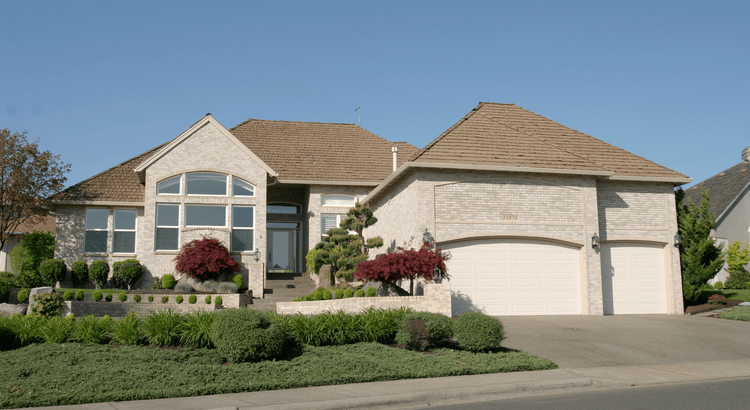
A teardown can make sense when the structure is functionally obsolete and the parcel can support a clearly better end product within code. If a new layout, better massing, and more marketable design can produce a materially higher finished value, rebuilding may justify the added risk.
But the key word is materially. In Los Altos, construction costs and soft costs are large enough that a modest ARV improvement may not be enough.
Signs a teardown may pencil better
- The existing layout is inefficient or obsolete
- The lot supports a significantly better design within the allowed envelope
- New-build comps show a strong value gap versus fixer or remodeled homes
- The entitlement path appears manageable after parcel review
- You have room in the budget for contingency and longer carry
Consider lower-risk value-add options
A full teardown is not the only path to more value. Los Altos notes that SB 9 projects, ADUs, and JADUs may create other options depending on the parcel and project goals.
The city says SB 9 can allow two units on one R1 lot and an urban lot split without discretionary review or a public hearing if criteria are met. It also states that ADUs and JADUs are ministerial, and Los Altos offers a permit-ready ADU program with free pre-approved plans intended to reduce pre-construction costs and simplify permitting.
For some owners and investors, that can shift the remodel-versus-teardown analysis. If an ADU or SB 9 path creates enough utility or value with less execution risk, it may be worth modeling before committing to a scrape.
A simple Los Altos decision checklist
Before you move forward, pressure-test the property with this sequence:
- Verify zoning and parcel flags in the city GIS viewer
- Confirm lot constraints such as setbacks, lot coverage, height, and daylight plane
- Check for historic designation, protected trees, and review triggers
- Build separate comp sets for fixer, remodeled, and new-build outcomes
- Underwrite total project cost, not just visible construction cost
- Use recent closed sales to set a conservative ARV
- Compare teardown upside against lower-risk remodel, ADU, or SB 9 options
That process helps you avoid the biggest mistake in Los Altos value-add analysis: deciding based on intuition before you verify the parcel and model the exit.
The bottom line
In Los Altos, the fixer-or-teardown question is really a land-use and risk question disguised as a construction question. The right answer comes from matching the parcel’s real constraints to the most realistic finished value, then backing out every cost and delay you can document.
If you want a data-backed way to evaluate a property, NOOPUR GUPTA can help you analyze comps, parcel constraints, and value-add scenarios so you can move with more confidence.
FAQs
How do I estimate whether a Los Altos fixer should be remodeled or torn down?
- Start with four values: as-is fixer value, land value, finished value, and total project cost. Then verify zoning, setbacks, trees, and permit path before comparing remodel and teardown scenarios.
What zoning factors matter most for a Los Altos teardown analysis?
- Key factors include setbacks, lot coverage, height limits, daylight-plane restrictions, and whether the lot is interior or corner. These rules affect the buildable envelope and the finished floor plan.
Where can I check Los Altos parcel constraints before underwriting a project?
- The City of Los Altos GIS Viewer is a key starting point for zoning, parcel data, historic designation, and flood-zone flags. For city parcels, planning information should also be verified with the city.
What hidden costs should I include in a Los Altos remodel or rebuild budget?
- Include permit submittals, revisions, inspections, debris-diversion compliance, possible tree-related costs, carrying costs, selling costs, and contingency in addition to construction cost.
Could an ADU or SB 9 option make more sense than a full teardown in Los Altos?
- Yes. Depending on the parcel and your goals, ADU, JADU, or SB 9 options may offer a lower-risk path to added value than a full scrape-and-rebuild.