Do you want a Mountain View address without the single-family price tag? For many tech buyers, condos and townhomes deliver the right mix of location, commute options, and value. In this guide, you’ll see what a realistic budget buys, how HOAs and financing work, and which neighborhoods fit your day-to-day. You’ll also get a simple due diligence checklist and a quick comparison to Sunnyvale and Palo Alto. Let’s dive in.
Why condos and townhomes fit tech life
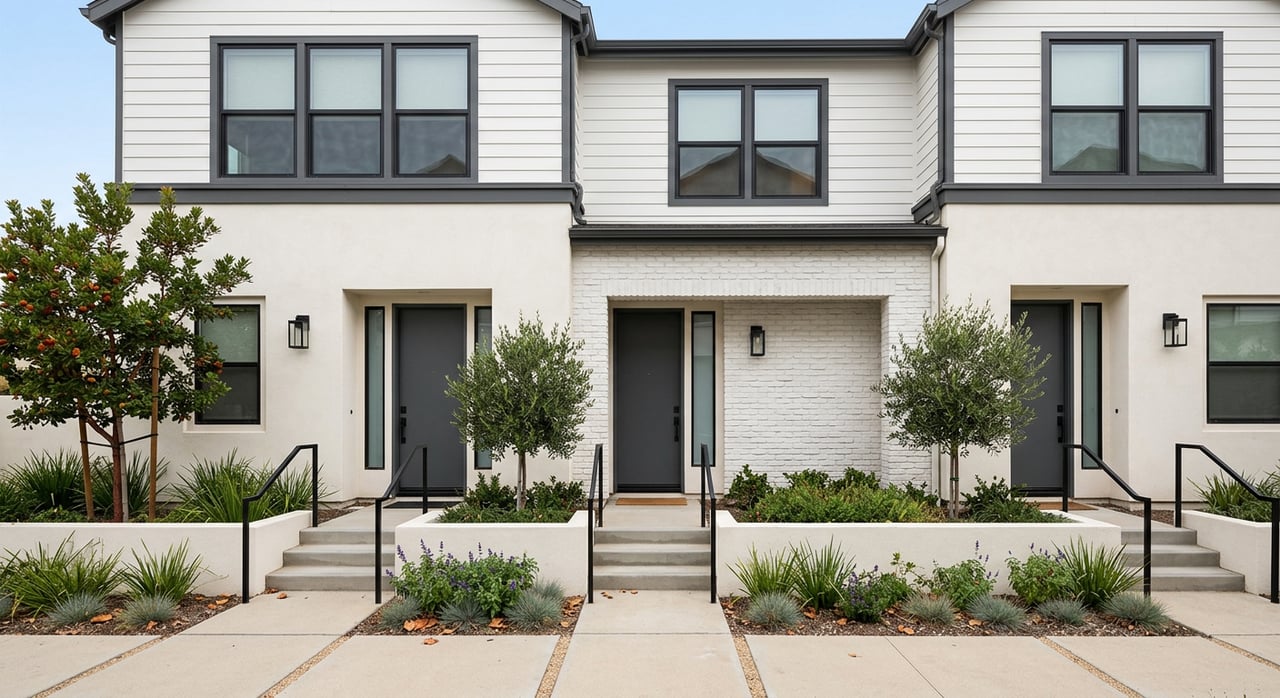
Mountain View’s attached homes cluster near downtown, San Antonio Center, and Whisman, so you get quick access to Caltrain, employer shuttles, and retail. The condo and townhome segment is also where many first-time Peninsula buyers find an attainable entry point.
City reports show a 2025 median sale price around $1.4 million for Mountain View condos and townhomes, with an average near $1.3 million. Countywide, the Santa Clara condo and townhome median in May 2025 was $978,000. You can use these numbers to frame expectations. By contrast, the city’s overall home-value index sits near $1.97 million, which highlights why attached homes often price below the citywide average.
Inventory remains tight relative to demand. County summaries in mid 2025 showed months of inventory under roughly 3 months for condos and townhomes, which often leads to multiple offers on well-priced units. You’ll want a clear strategy before you tour.
What you can buy by price band
City-level 2025 sales distribution shows three clear tiers:
- Entry to mid: About 30 percent of units sold under $1.0M and another ~30 percent between $1.0M and $1.5M. You’ll typically see older stacked condos, some smaller 2-bedroom units, and townhomes that may trade on location over finishes.
- Upper mid to premium: Roughly 41 percent sold above $1.5M. Expect newer townhomes with garages, larger floor plans, or highly walkable downtown buildings with elevator access.
Per-square-foot pricing varies by layout and condition. Two-bedroom townhome-style units often sit in the mid-hundreds to low-thousand dollars per square foot depending on area and updates. Use unit-level comps to fine-tune value.
Neighborhood snapshots for tech buyers
Old Mountain View / Downtown
- Short walk to Castro Street dining and the Mountain View Transit Center.
- Mix of low-rise condos and a few newer elevator buildings.
- You trade lot size for walkability and quick transit.
San Antonio / The Village corridor
- Newer condo and townhome communities near San Antonio Caltrain and major retail.
- Many homes include garages, modern kitchens, and efficient floor plans.
- A strong fit if you want newer construction plus fast station access.
Whisman / North Whisman
- Substantial townhome inventory and proximity to employment pockets.
- Convenient to highways and shuttle networks.
- Popular with buyers who need space and an attached garage.
Shoreline West / North Bayshore edge
- Mix of mid-century and newer low-rise buildings near parks and major campuses.
- Good choice if you value outdoor access and a short bike or shuttle to work.
Commute and first–last mile advantages
Mountain View’s Transit Center links Caltrain with VTA bus and light rail, and many large employers run private shuttles that stop near stations and community hubs. Local services like MVgo add first–last mile coverage during commute periods, which cuts car dependence if you live near downtown or Caltrain stops.
Typical local Caltrain trips between Mountain View and Palo Alto often run about 8 to 15 minutes depending on the service type and time of day. Many residents also pair e-bikes with shuttles to close the last mile.
HOA costs and what to check
In Mountain View, city-level HOA snapshots show an average monthly dues figure around $448, with reserve funding near 44 percent. Actual dues vary by building and amenities. Higher-service buildings can sit well above average.
Reserve strength matters. Underfunded HOAs face a higher risk of special assessments when roofs, siding, decks, or seismic work come due. Before you write an offer, ask for the latest reserve study, budget, insurance, and recent meeting minutes.
Quick HOA due-diligence checklist
- Current HOA budget and latest reserve study. Reference
- Board meeting minutes for the last 12–24 months.
- Master insurance policy details, including earthquake coverage status.
- Rental rules and current owner-occupancy ratio.
- Any known or pending special assessments.
Financing: condo project reviews explained
Your financing path depends on the property type and the project’s eligibility.
- Conventional loans and project “warrantability”: Fannie Mae and Freddie Mac updated condo project review standards after 2021, with additional updates through 2024–2025. Lenders often require documentation on reserves, insurance, litigation, occupancy, and delinquencies. If a project does not meet criteria, it may be considered non-warrantable, which can limit conventional options and push buyers to jumbo or portfolio loans. Learn more in Freddie Mac’s overview of condo project reviews: Condo Project Advisor FAQs.
- FHA/VA: Some projects are FHA or VA approved, which can preserve low-down-payment choices. Approval can lapse, and single-unit approvals are sometimes possible but add time. See how to check a project’s status in this FHA guide: FHA-approved condos basics.
- Townhomes and fee-simple PUDs: These can be easier to finance because you are not always subject to the same condo project review. Confirm the property’s legal classification with your agent and lender early.
Monthly carry: a simple example
Here is a quick illustration to frame your budget. Numbers will change with rates and insurance quotes.
- Purchase price: $1,400,000 (2025 Mountain View condo/townhome median)
- Down payment: 20 percent = $280,000
- Loan amount: $1,120,000
- Interest rate: assume 6.5 percent, 30-year fixed (illustrative)
- Estimated principal and interest: about $7,080/month
- HOA dues: add a planning figure of $448/month based on city averages
Total so far: approximately $7,528/month for principal, interest, and HOA. You will also add property taxes, homeowners insurance, potential earthquake coverage, and utilities. Your lender can produce a full estimate for a specific property.
Mountain View vs Sunnyvale vs Palo Alto
- Mountain View: Condo and townhome median around $1.4M in 2025. Citywide home-value index near $1.97M helps show why attached homes are more attainable than many single-family options.
- Sunnyvale: Overall city home values sit slightly above Mountain View on average. Townhome supply is meaningful, so it can be a practical alternative if you want newer product at similar budgets.
- Palo Alto: Overall city values are much higher, with a city home-value index around $3.5M. Condo inventory is thinner and premiums for location and amenities are significant, so Mountain View often becomes the better entry point.
Use cross-city data to benchmark, then dive into neighborhood comps to compare actual units you can buy today.
How to compete in a tight market
Get fully underwritten pre-approval before you tour. If the condo is non-warrantable, your lender can pivot to portfolio options early.
Ask your agent to pre-screen the HOA’s warrantability, insurance, and reserves before you write.
Tighten contingencies based on risk, not bravado. Shorten periods only when you have the documents and comfort to do so.
Target units near Caltrain or shuttle stops if you value car-light living. This is often a durable resale feature.
For county context on inventory tightness and pricing, see the RPR county summary and plan with current-month data.
Ready to translate this into a step-by-step plan, including comps, HOA reviews, and off-market options through Compass Private Exclusives? Connect with NOOPUR GUPTA to get a data-backed buying strategy tailored to your commute, budget, and timeline.
FAQs
Is a condo or townhome a smart entry into Mountain View?
- Yes for many buyers. The 2025 condo and townhome median around $1.4M typically trades below the city’s overall home-value index near $1.97M, and attached homes cluster near Caltrain and shuttle nodes for easier commuting.
How much should I budget each month for a Mountain View condo?
- Plan for mortgage principal and interest, plus HOA dues that average about $448/month citywide, then add property taxes, insurance, and utilities. Your lender can produce a full estimate for a specific address. Source: TransparencyHOA.
Can I use FHA or VA financing on a Mountain View condo?
- It depends on project eligibility. Some communities are approved and others are not. Single-unit approvals are sometimes possible. Check early using the FHA resources and confirm with your lender. See: FHA-approved condos basics.
What HOA red flags should I watch for in Mountain View?
- Low reserves, insurance gaps, high dues delinquencies, active litigation, and a recent history of special assessments are all concerns. Request the reserve study, budget, insurance, and 12–24 months of minutes. Resource: TransparencyHOA.
How long is the Caltrain ride from Mountain View to Palo Alto?
- Typical trips often run about 8 to 15 minutes depending on service and time of day. Check live schedules on Caltrain’s site.