But one of the most important questions you can ask is:
"Has the home had any major renovations or repairs?"
The answer can provide valuable insight into the property's condition, future maintenance costs, permit history, and long-term value.
Whether you're purchasing your first home or your fifth, understanding what work has been done to a property can help you make a more informed decision and avoid unexpected surprises after closing.
Why This Question Matters
A home may look beautiful on the surface, but the real story often lies behind the walls.
Major renovations and repairs can affect:
- Property value
- Safety
- Insurance costs
- Future maintenance expenses
- Permit compliance
- Resale potential
Knowing what improvements have been made—and when they were completed—can give buyers a clearer picture of the home's overall condition.
What Counts as a Major Renovation?
Not all updates are created equal.
Major renovations typically include:
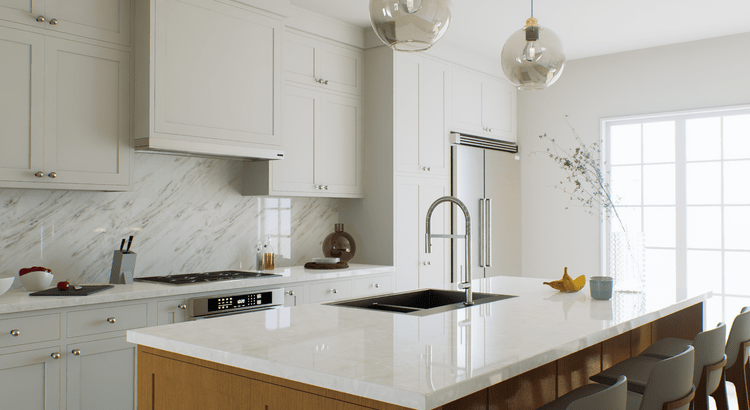
Kitchen Remodels
A kitchen renovation may involve:
- New cabinetry
- Countertops
- Appliances
- Electrical upgrades
- Plumbing improvements
Buyers should ask when the remodel was completed and whether permits were obtained if required.
Bathroom Remodels
Major bathroom projects may include:
- New plumbing fixtures
- Tile replacement
- Electrical updates
- Layout changes
A recently remodeled bathroom can be a valuable improvement, but buyers should still verify the quality of the work.
Room Additions
Additional living space can significantly increase a home's value.
Examples include:
- Family room additions
- Expanded primary suites
- Additional bedrooms
- Home offices
- Accessory Dwelling Units (ADUs)
Buyers should always confirm that additions were properly permitted and completed according to local building requirements.
Whole-Home Renovations
Some homes undergo extensive renovations that may include:
- New flooring
- Updated systems
- Structural improvements
- Modernized interiors
A fully renovated home may offer greater move-in readiness and lower short-term maintenance costs.
Important Repairs Buyers Should Know About
Repairs can be just as important as renovations.
Roof Replacement
A roof is one of the most expensive components of a home.
Ask:
- When was the roof replaced?
- What materials were used?
- Is there a warranty?
A newer roof can provide peace of mind and reduce future expenses.
Foundation Repairs
Foundation work is common in some Bay Area homes, particularly older properties.
While foundation repairs may sound concerning, professionally completed repairs can actually be a positive sign that issues were addressed proactively.
Ask for:
- Engineering reports
- Contractor documentation
- Warranty information
Plumbing Updates
Many older homes still contain aging plumbing materials.
Major plumbing upgrades may include:
- Copper repiping
- Sewer line replacement
- Water line improvements
These upgrades can significantly reduce future maintenance risks.
Electrical Improvements
Older electrical systems may not meet the demands of modern households.
Buyers should ask whether the home has received:
- Panel upgrades
- Rewiring
- EV charging installations
- Solar-related electrical improvements
HVAC Replacement
Heating and cooling systems have limited lifespans.
A newer furnace, air conditioning system, or heat pump may reduce future replacement costs and improve energy efficiency.
Bay Area-Specific Considerations
Certain repairs and upgrades are especially important in the Bay Area.
Seismic Retrofits
Earthquake preparedness is a major consideration for Peninsula homeowners.
A seismic retrofit may include:
- Foundation bolting
- Cripple wall bracing
- Structural reinforcement
These improvements can enhance safety and may be viewed favorably by buyers.
Drainage and Water Management
Properties located on hillsides or areas with seasonal drainage concerns may have improvements such as:
- French drains
- Sump pumps
- Retaining walls
These systems can help protect the home from water-related issues.
Fire Hardening Improvements
In some Bay Area locations, homeowners invest in:
- Fire-resistant roofing
- Ember-resistant vents
- Defensible landscaping
These upgrades may improve safety and insurability.
Were Permits Obtained?
One of the most important follow-up questions is:
"Were permits obtained for the work?"
Permits help ensure that renovations were completed according to local building codes.
While not every project requires a permit, significant work often does.
Ask for documentation related to:
- Additions
- Structural changes
- Electrical upgrades
- Plumbing work
- Major remodels
Properly permitted improvements can provide added confidence for buyers.
What Documents Should Buyers Review?
Before purchasing a home, review as much information as possible.
Helpful documents may include:
- Seller disclosures
- Inspection reports
- Contractor invoices
- Permit records
- Warranty information
- Engineering reports
These records can help verify what work was completed and when.
Renovated Doesn't Always Mean Perfect
Many buyers assume that a recently remodeled home is problem-free.
However, it's still important to conduct inspections.
Even beautifully renovated homes can have:
- Hidden defects
- Workmanship issues
- Deferred maintenance
- Incomplete upgrades
A professional inspection helps ensure you're making an informed decision.
Questions Every Buyer Should Ask
When reviewing a property, consider asking:
- What major renovations have been completed?
- When was the work performed?
- Who completed the work?
- Were permits obtained?
- Are warranties transferable?
- Have there been any major repairs?
- Are there inspection reports available?
The answers can reveal valuable information about the home's condition and future maintenance needs.
The Bottom Line
Asking whether a home has had major renovations or repairs is about much more than curiosity. It's a critical step in understanding the property's history, condition, and long-term value.
Well-executed improvements can enhance comfort, safety, and resale potential. At the same time, understanding what work has been performed—and how it was completed—helps buyers make informed decisions and avoid surprises after closing.
If you're buying a home in Menlo Park, Palo Alto, Atherton, Redwood City, or elsewhere on the Peninsula, taking the time to investigate a home's renovation and repair history can provide valuable peace of mind and help you move forward with confidence.