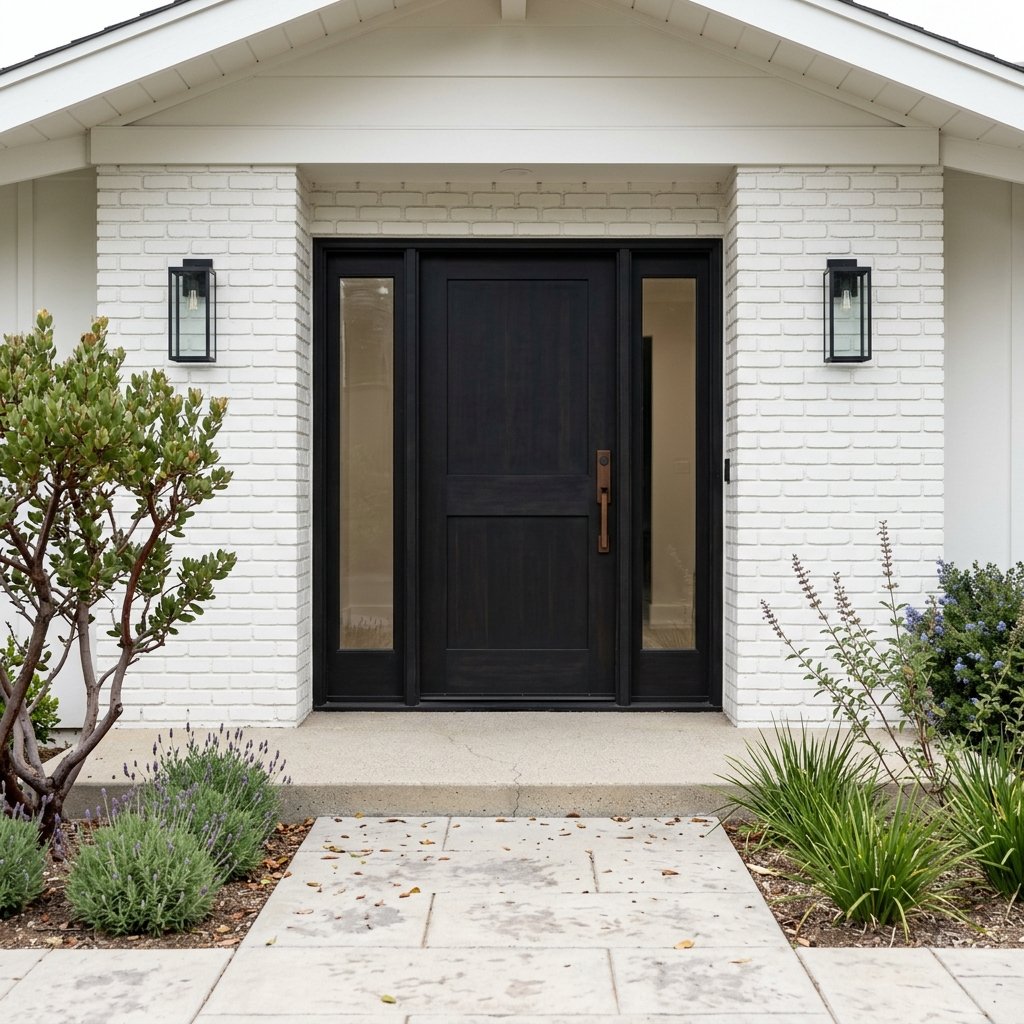
If you're 80 years old and considering selling your home, you may be facing a mix of emotions. Excitement about a new chapter can be accompanied by uncertainty about leaving a place that has been part of your life for many years.
Whether you're thinking about downsizing, moving closer to family, transitioning to a retirement community, or simply simplifying your lifestyle, understanding the process can help you make informed decisions with confidence.
Why More Bay Area Seniors Are Choosing to Sell
Many homeowners who purchased their homes 30, 40, or even 50 years ago never imagined how much their property would appreciate.
Today, many seniors find themselves living in homes that are significantly larger than their current needs while sitting on substantial home equity.
Some of the most common reasons seniors decide to sell include:
1. Reducing Maintenance Responsibilities

Homeownership comes with ongoing responsibilities:
- Roof repairs
- Landscaping
- Plumbing maintenance
- Exterior upkeep
- Appliance replacement
- General repairs
Tasks that once seemed manageable can become physically demanding over time. Selling and moving to a smaller home, condominium, or senior living community can eliminate many of these burdens.
2. Moving Closer to Family

Many seniors choose to relocate to be closer to children, grandchildren, and extended family.
Living nearby can provide:
- More frequent family visits
- Additional support when needed
- Greater peace of mind for everyone involved
- Opportunities to stay connected to important family events
3. Accessing Home Equity

For many Bay Area homeowners, their home represents one of their largest assets.
Selling can unlock equity that may be used for:
- Retirement income
- Healthcare expenses
- Long-term care planning
- Travel and lifestyle goals
- Financial gifts to family members
- Estate planning strategies
4. Simplifying Daily Life

Many seniors find that a smaller, more manageable living environment improves quality of life.
Features such as:
- Single-story living
- Elevator access
- Reduced maintenance
- Community amenities
- Proximity to healthcare
can make day-to-day living more comfortable and convenient.
Understanding the Emotional Side of Selling

Selling a longtime family home is not just a financial decision—it's an emotional one.
Many homeowners experience feelings such as:
- Nostalgia
- Anxiety
- Excitement
- Sadness
- Relief
These emotions are completely normal.
It's important to give yourself time to process the transition and involve family members in discussions when appropriate.
Many homeowners find it helpful to focus on what they're gaining rather than what they're leaving behind:
- Less maintenance
- More convenience
- Financial flexibility
- Additional support systems
- New opportunities
What Is Your Bay Area Home Worth?
One of the first steps is understanding your home's current market value.
Many homeowners are surprised to learn that buyers may be interested in their property even if it hasn't been recently updated.
In the Bay Area, buyers often place significant value on:
- Location
- School districts
- Lot size
- Neighborhood desirability
- Future expansion potential
- Access to transportation and employment centers
A professional market analysis can help determine:
- Current market value
- Estimated selling price range
- Recommended preparation strategies
- Potential return on investment for improvements
Should You Remodel Before Selling?
Many seniors wonder whether they should update the home before listing it.
The answer depends on several factors:
Minor Improvements Often Worth Considering
Simple updates may include:
- Fresh paint
- Deep cleaning
- Landscaping improvements
- Carpet replacement
- Minor repairs
These improvements can often increase buyer appeal without requiring a major investment.
Major Renovations May Not Be Necessary
Extensive remodeling projects can be expensive and time-consuming.
In many Bay Area markets, buyers are willing to purchase homes that need updating, especially when the property offers a desirable location or large lot.
A knowledgeable real estate professional can help determine whether improvements are likely to generate a positive return.
Understanding Tax Considerations
Homeowners who have owned their property for decades should carefully review potential tax implications before selling.
Important topics to discuss with a qualified tax professional include:
Capital Gains Taxes
Many homeowners may qualify for exclusions on capital gains when selling a primary residence.
Property Tax Considerations
California property tax rules can impact future housing decisions.
Certain provisions may allow eligible homeowners to transfer their property tax base to another residence under specific circumstances.
Estate Planning
Selling a home can affect:
- Inheritance plans
- Trust structures
- Wealth transfer strategies
- Long-term financial planning
Because every situation is different, professional tax and legal guidance is essential.
Preparing for the Move
One of the biggest challenges for longtime homeowners is deciding what to keep and what to let go.
After decades in one home, belongings naturally accumulate.
A gradual approach often works best:
Start Early
Begin sorting through belongings months before your anticipated move.
Create Categories
Separate items into:
- Keep
- Donate
- Gift to family
- Sell
- Discard
Preserve Family History
Consider organizing:
- Photo albums
- Important documents
- Family heirlooms
- Memorabilia
Many families appreciate having time to review sentimental items together.
Selling As-Is: Is It Right for You?
Many seniors worry that preparing a home for sale will be overwhelming.
Fortunately, selling "as-is" may be an option.
Benefits can include:
- Less stress
- Faster sale process
- Reduced upfront expenses
- Fewer repair obligations
While buyers may factor repairs into their offers, selling as-is can be a practical solution for homeowners seeking simplicity.
How Adult Children Can Help
Often, adult children play an important role in the decision-making process.
Helpful ways family members can assist include:
- Attending consultations
- Helping organize belongings
- Coordinating moving services
- Reviewing financial considerations
- Providing emotional support
The goal should always be to support the homeowner's wishes while helping simplify the process.
Building the Right Team
A successful transition often involves assembling a trusted team of professionals.
This may include:
- Real estate agent
- Financial advisor
- CPA or tax professional
- Estate planning attorney
- Senior move manager
- Relocation specialist
Having experienced advisors can help reduce stress and ensure informed decisions.
Questions to Ask Before Selling
Before putting your home on the market, consider:
- What are my goals for the next stage of life?
- Where do I want to live after selling?
- How much monthly housing expense am I comfortable with?
- What support systems do I want nearby?
- How will selling affect my long-term finances?
- What timeline works best for my family?
Answering these questions early can help guide the entire process.
The Bottom Line
Selling a home at 80 is about much more than a real estate transaction. It's a major life transition that deserves careful planning and thoughtful guidance.
For many Bay Area homeowners, selling creates an opportunity to simplify life, access accumulated equity, reduce responsibilities, and move closer to the people and resources that matter most.
With the right preparation and professional support, you can confidently navigate the process and make decisions that align with your personal, financial, and family goals.
If you're considering selling your Bay Area home and would like to explore your options, start with a conversation. Understanding your home's value, your financial picture, and your future housing needs is the first step toward making the best decision for your next chapter.