Buying in Cupertino can feel like choosing between two smart options that look similar on paper but live very differently day to day. If you are weighing a condo against a townhome, you are probably trying to balance price, space, maintenance, and long-term flexibility in one of Silicon Valley’s most competitive markets. This guide breaks down the practical differences, the numbers that matter, and the questions worth answering before you write an offer. Let’s dive in.
Cupertino Market Snapshot
Cupertino is an expensive market by any measure, which is why condos and townhomes are often the most practical starting point for many buyers. Current market figures show Cupertino’s overall median sale price at about $3.359 million, while active condo listings are around a $998,000 median and active townhome listings are around a $1.3 million median.
That pricing gap matters. It shows why attached homes can be the entry point for smaller households, first-time local buyers, and relocation buyers who want to get into Cupertino without stretching to detached-home pricing.
Market pace also varies by property type. Current figures show condos taking about 55 days to sell with 1 offer on average, while townhouses are moving in about 37 days with 3 offers on average, compared with about 9 days and 4 offers across all home types citywide.
Condo vs Townhome Basics
The biggest surprise for many buyers is that “townhome” does not always tell you the legal structure of the property. In California, a condominium is a separately owned unit plus an undivided interest in the common area, while a planned development is a different type of common-interest development with its own ownership and maintenance structure.
That means the word townhome is often more about layout and appearance than legal ownership. You should not assume a townhome automatically gives you a different maintenance setup or land ownership without reviewing the actual documents.
California law also states that when you buy a lot, home, townhouse, or condominium in a common interest development, you become a member of the homeowners association. So whether you buy a condo or a townhome in Cupertino, HOA rules, budgets, and maintenance responsibilities will likely be part of the picture.
How Cupertino Condos Usually Compare
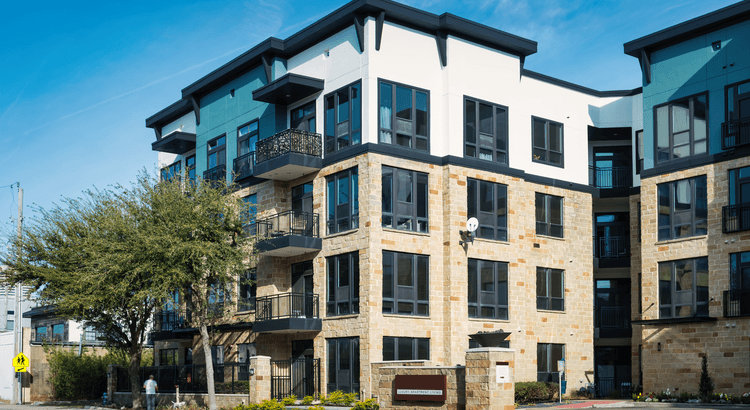
In Cupertino, current condo inventory often leans toward secured or elevator-access buildings. You may also see private balconies, garage parking, and newer buildings with features like two garage spots.
For many buyers, a condo offers the lightest maintenance load. If you are comfortable with shared walls, shared systems, and HOA rules, a condo can be the simplest way to buy into Cupertino at a lower price point than most townhomes or detached homes.
That simplicity can be especially helpful if you want a more lock-and-leave lifestyle. Buyers who relocate often or prefer less exterior upkeep may find that condo living lines up well with their priorities.
How Cupertino Townhomes Usually Compare
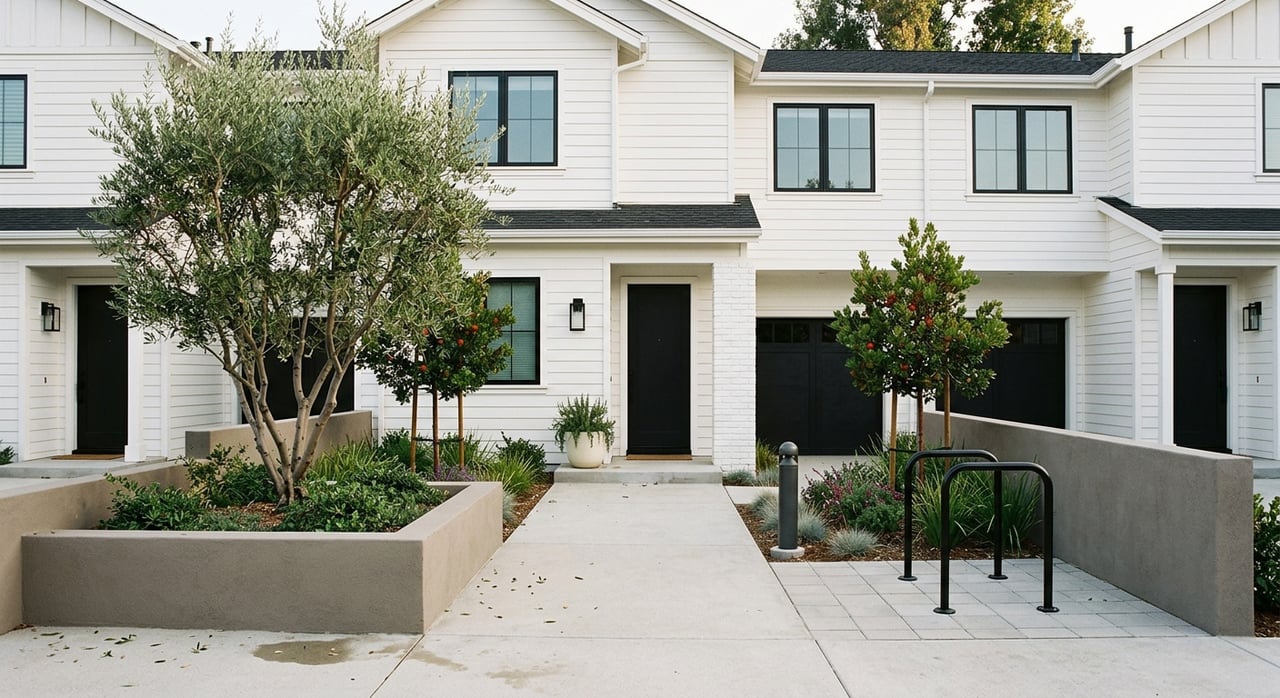
Current Cupertino townhome inventory more often includes multi-level floor plans, attached garages, and private outdoor areas like courtyards or patios. Some listings also feature community amenities such as pools, tennis courts, spas, gated access, or park-adjacent settings.
A townhome can offer more of a house-like feel without the price of a detached single-family home. That extra space and separation can be appealing if you want distinct living zones, direct garage access, or a layout that feels less like an apartment-style building.
Still, the legal structure matters as much as the floor plan. A townhome may still be part of a common-interest development where the HOA handles certain shared components, so it is important to confirm who maintains what before moving forward.
Why HOA Details Matter So Much
Monthly HOA dues are only one part of your carrying cost. In California common-interest developments, HOAs are set up to manage the property, and annual budget reports must include a pro forma operating budget, a reserve summary, and an Assessment and Reserve Funding Disclosure Summary.
Reserve studies must be updated at least once every three years. These studies identify major components, estimate remaining useful life, project repair or replacement cost, and outline a reserve funding plan, which can lead to changes in regular dues or special assessments.
This is why two homes with similar monthly HOA fees can carry very different financial risk. One association may have strong reserves and a clear repair plan, while another may be underfunded and more likely to increase assessments later.
Current Cupertino examples show HOA dues in the several-hundred-dollar range. One newer condo at 21543 Point Reyes Terrace shows a $429 HOA, while a townhome at 10439 Mary Avenue shows a $665 HOA along with a garage and community pool.
What the HOA May Cover
In California, the association is generally responsible for repairing and maintaining common area unless the governing declaration says otherwise. That sounds straightforward, but in practice, the maintenance split can vary a lot from one community to another.
For example, one HOA may handle roofs, exterior walls, and landscaping, while another may shift more responsibility to the owner. This is especially important in townhome communities, where buyers sometimes expect a more detached-home experience than the legal documents actually provide.
If you are comparing homes, ask for the maintenance breakdown early. It can affect not just your monthly costs, but also your future repair exposure and your day-to-day ownership experience.
Disclosures You Should Review Before You Buy
California resale disclosure rules give buyers a meaningful window into how an HOA is operating. On resale, the seller must provide governing documents, the latest annual budget documents, current assessments and unpaid charges, unresolved violation notices, lease restrictions if any, and the latest inspection report.
That package can tell you a lot. You can learn whether dues appear stable, whether reserves seem healthy, whether there are unresolved issues in the community, and whether any rules could limit your future flexibility.
There is another reason to pay close attention right now. Condo associations must inspect exterior elevated elements at least every nine years, with the first inspection due by January 1, 2025, so buyers should review the latest available inspection information and understand whether any follow-up work may affect future costs.
Choosing the Right Fit for Your Lifestyle
A condo is often the better fit if your top priorities are lower entry price, lighter maintenance, and a simpler ownership model. In Cupertino, that can make condos especially appealing if you want a practical foothold in the market and do not need as much interior or outdoor space.
A townhome may be the better fit if you want more square footage, a multi-level layout, or a more house-like feel. That said, it only works as expected if the HOA documents confirm a maintenance split and rule set that match your expectations.
The right choice comes down to trade-offs, not labels. A well-run condo community can be a better long-term fit than a townhome with weak reserves, and a townhome with clear maintenance boundaries may offer better day-to-day livability for your needs.
Questions to Ask Before Making an Offer
Before you move ahead on any Cupertino condo or townhome, make sure you can answer these questions clearly:
- Is the home legally a condo or a planned development?
- What exactly does the HOA maintain, and what remains your responsibility?
- How strong are the reserves, and is any special assessment likely?
- Are there lease restrictions or other rules that affect future flexibility?
- Are the amenities worth the ongoing monthly dues?
These questions are practical, not technical. Clear answers can help you avoid surprises and make a more confident decision.
A Smart Way to Compare Cupertino Options
When you compare two attached homes, avoid focusing only on price and square footage. Instead, look at the full ownership picture: list price, monthly dues, reserve health, maintenance obligations, amenities, and how quickly similar homes are moving.
In Cupertino, condos and townhomes can serve very different goals even when they are close in price. A data-driven comparison can help you see which option truly fits your budget, lifestyle, and risk tolerance.
If you want help sorting through Cupertino condo and townhome options with a clear, practical lens, NOOPUR GUPTA can help you evaluate the numbers, the documents, and the real trade-offs before you buy.
FAQs
What is the main difference between a condo and a townhome in Cupertino?
- In Cupertino, a condo and a townhome may look different in layout, but the legal difference depends on the ownership structure and common-interest development documents, not just the listing label.
Are townhomes in Cupertino always better than condos for space?
- Townhomes in Cupertino often offer multi-level layouts, garages, and private outdoor areas, but whether they are the better fit depends on your budget, maintenance preferences, and HOA structure.
How much are HOA dues for Cupertino condos and townhomes?
- Current Cupertino examples show HOA dues in the several-hundred-dollar range, including a condo with a $429 HOA and a townhome with a $665 HOA.
What HOA documents should Cupertino buyers review?
- Cupertino buyers should review governing documents, annual budget documents, current assessments, unpaid charges, unresolved violation notices, lease restrictions if any, and the latest inspection report.
Why do reserves matter when buying a Cupertino condo or townhome?
- Reserve strength matters because underfunded reserves can lead to higher dues or special assessments if major components need repair or replacement.
Are condos or townhomes easier to buy in Cupertino right now?
- Current market data suggests Cupertino condos are taking longer to sell than townhomes on average, which may give some buyers a different negotiating environment depending on the property.