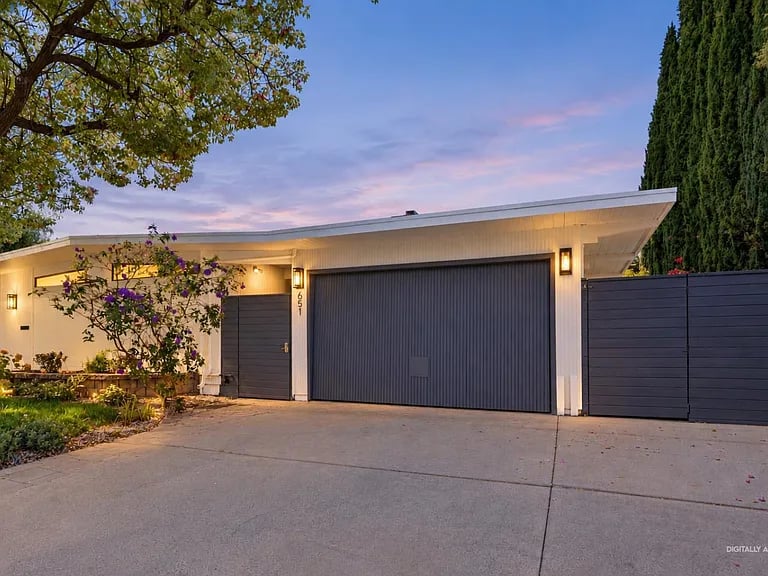
It's an important question because the list price influences everything from buyer interest and competition to negotiation strategies and the final sales price.
Many buyers assume a home's list price reflects its exact market value. In reality, pricing a home is both a science and an art. Sellers and their agents consider numerous factors before deciding on the asking price.
Understanding how a list price is determined can help buyers evaluate opportunities, avoid overpaying, and make stronger offers.
The List Price Is Not Always the Market Value
One of the biggest misconceptions in real estate is that the asking price represents what a home is worth.
In reality, the list price is a marketing strategy designed to attract buyers.
A home's market value is ultimately determined by what a willing buyer is prepared to pay and what a seller is willing to accept.
In competitive Bay Area markets, homes sometimes sell well above asking price. In other situations, properties may sell at or below the list price.
This is why understanding the pricing strategy behind a listing is so important.
Comparable Sales: The Foundation of Pricing
The most important factor in determining a list price is reviewing comparable sales, often referred to as "comps."
These are recently sold homes that are similar in:
- Size
- Location
- Lot size
- Age
- Condition
- School district
- Features and amenities
Real estate professionals analyze nearby sales to estimate what buyers are currently willing to pay for similar properties.
For example, if several comparable homes in Menlo Park recently sold between $3 million and $3.3 million, that range becomes an important reference point when pricing a similar property.
Current Market Conditions Matter
Pricing isn't based solely on past sales.
Agents also evaluate current market conditions, including:
Inventory Levels
When inventory is low, sellers often have greater pricing power.
When inventory rises, buyers generally have more choices and greater negotiating leverage.
Interest Rates
Mortgage rates significantly affect buyer purchasing power.
Higher rates can reduce demand, while lower rates often increase competition.
Buyer Activity
Agents monitor:
- Open house traffic
- Showing activity
- Offer volume
- Buyer demand trends
These indicators help determine how aggressively a home should be priced.
Location Still Drives Value
You've probably heard the phrase:
"Location, location, location."
It remains one of the most important pricing factors.
Two homes with similar square footage may have dramatically different values depending on:
- School district
- Walkability
- Proximity to downtown
- Commute access
- Neighborhood reputation
- Nearby amenities
In the Bay Area, school districts and commute convenience often have a substantial impact on pricing.
Property Condition Influences Pricing
A home's condition can significantly affect its list price.
Buyers generally pay more for homes that are:
- Move-in ready
- Recently remodeled
- Well-maintained
- Updated with modern finishes
On the other hand, homes requiring repairs or renovations may be priced lower to account for future improvement costs.
Even small details such as fresh paint, landscaping, and staging can influence buyer perception and pricing strategy.
Seller Goals Can Affect Pricing
Not every seller has the same objectives.
Some sellers prioritize:
Maximum Price
These sellers may price strategically to generate multiple offers and create competition.
Fast Sale
Other sellers value speed and convenience.
They may choose a price that attracts immediate interest and reduces time on market.
Specific Timing Needs
Some homeowners need to coordinate a move, relocation, retirement, or purchase of another property.
These circumstances can influence pricing decisions.
Why Some Homes Are Intentionally Underpriced
In competitive Bay Area markets, buyers occasionally notice homes listed below what they believe the property is worth.
This is often intentional.
The strategy aims to:
- Generate excitement
- Increase open house traffic
- Encourage multiple offers
- Create a competitive bidding environment
As a result, buyers should avoid assuming they can purchase a home at the exact list price.
Instead, it's important to evaluate comparable sales and understand likely market value.
Why Some Homes Are Overpriced
Occasionally, sellers list their homes above market expectations.
Reasons may include:
- Unrealistic expectations
- Emotional attachment
- Testing the market
- Unique property characteristics
Overpriced homes often experience:
- Fewer showings
- Longer market times
- Price reductions
- Reduced buyer interest
For buyers, these situations may create negotiation opportunities.
Questions Buyers Should Ask
When reviewing a property, consider asking:
- What comparable sales were used to establish the list price?
- Has the price been adjusted?
- How much buyer interest has the property received?
- How does the home compare to recent neighborhood sales?
- Are there competing offers?
The answers can provide valuable insight into the seller's strategy and expectations.
Looking Beyond the Asking Price
Smart buyers evaluate much more than the list price.
They also consider:
- Comparable sales
- Property condition
- Inspection reports
- Future maintenance costs
- Neighborhood trends
- Long-term appreciation potential
A lower-priced home isn't always a better value, and a higher-priced home isn't always overpriced.
The key is understanding the complete picture.
The Bottom Line
When buyers ask, "How was the list price determined?" they're asking one of the smartest questions in real estate.
The answer can reveal valuable information about market conditions, comparable sales, seller motivation, and overall pricing strategy.
In the Bay Area, where market dynamics can vary dramatically from one neighborhood to another, understanding how a home's price was established can help buyers make informed decisions and develop stronger offer strategies.
Before submitting an offer, take time to look beyond the asking price and understand the factors that influenced it. Doing so can help you purchase with greater confidence and avoid costly mistakes.