One of the most important questions buyers should ask is:
"Is there an HOA, and what are the fees?"
HOA fees can range from $0 for single-family homes to $1,000 or more per month for luxury condominiums and planned communities. Understanding what these fees cover—and whether they're worth the cost—can help you make a smarter home-buying decision.
What Is an HOA?
A Homeowners Association (HOA) is an organization that manages and maintains common areas within a neighborhood or residential community.
HOAs are most common in:
- Condominiums
- Townhome communities
- Planned developments
- Some gated neighborhoods
- Certain newer single-family home communities
When you purchase a home in an HOA community, you automatically become a member and are required to follow the association's rules and pay its fees.
Are HOAs Common in the Bay Area?
Yes—but it depends on the type of property.
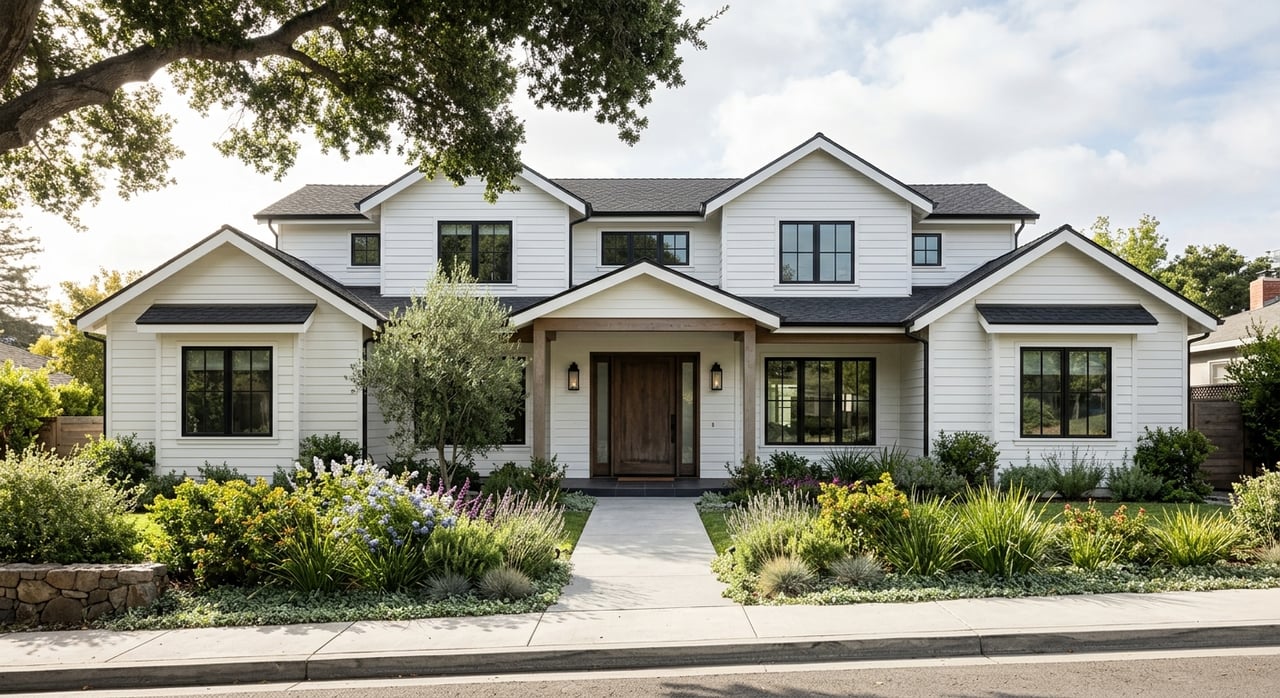
Single-Family Homes
Many older neighborhoods in cities like:
- Menlo Park
- Palo Alto
- Redwood City
- Burlingame
- Los Altos
do not have HOAs.
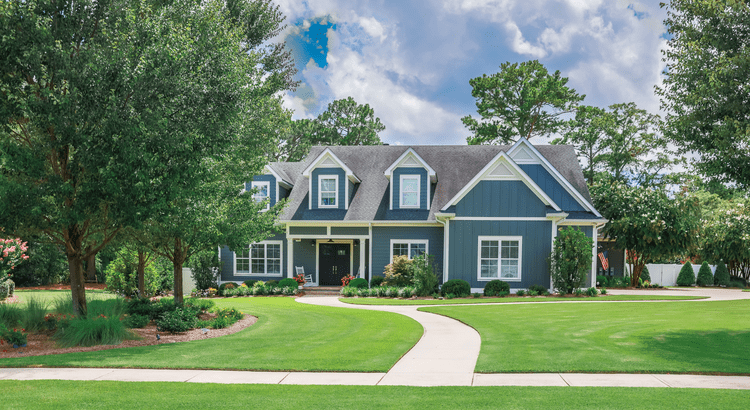
However, some newer developments and gated communities do have associations with monthly or annual dues.
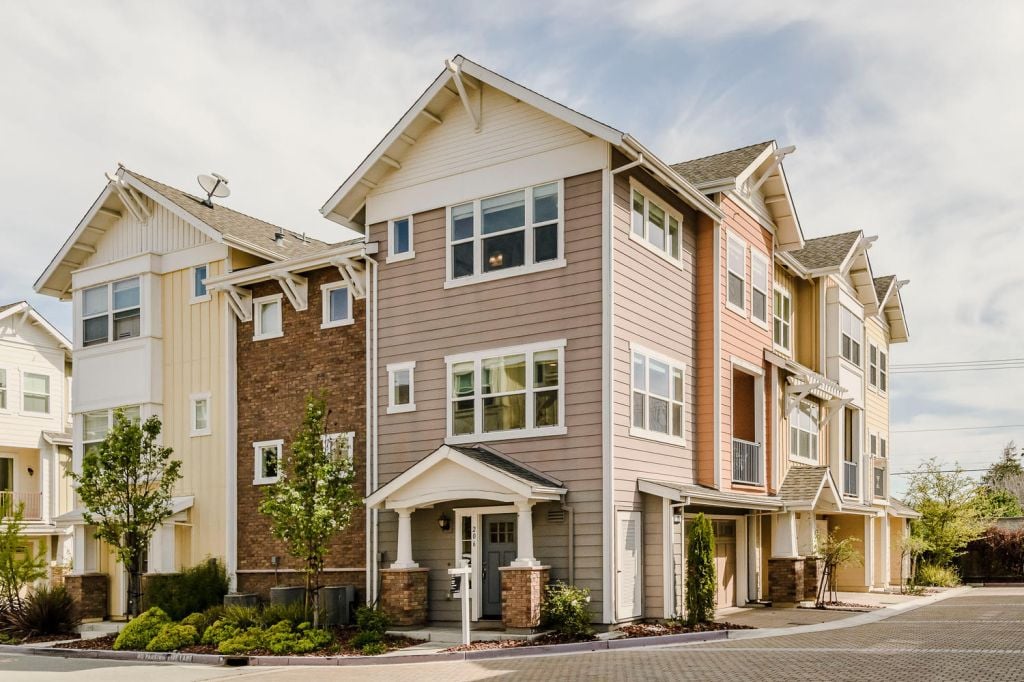
Condominiums and Townhomes
Most condos and townhomes throughout the Bay Area have an HOA.
This is because someone must maintain shared spaces such as:
- Roofs
- Exterior walls
- Elevators
- Hallways
- Landscaping
- Community amenities
As a result, HOA fees are a standard part of ownership for these types of properties.
What Do HOA Fees Typically Cover?
Every HOA is different, but monthly dues may include:
- Exterior building maintenance
- Roof maintenance and replacement
- Landscaping
- Common area cleaning
- Swimming pools
- Clubhouses
- Fitness centers
- Security gates
- Water or garbage service (in some communities)
- Building insurance for common areas
- Reserve funds for future repairs
The more amenities a community offers, the higher the HOA fees tend to be.
How Much Are HOA Fees in the Bay Area?
HOA fees vary depending on the property type, location, and amenities.
Here's a general idea of what buyers might encounter:
Single-Family Home Communities
- Approximately $50–$300 per month
- Usually covers landscaping, private streets, or neighborhood common areas
Townhomes
- Approximately $300–$700 per month
- May include exterior maintenance, landscaping, roof maintenance, and insurance for common areas
Condominiums
- Approximately $400–$900+ per month
- Often includes building maintenance, amenities, reserves, water, trash service, and common area insurance
Luxury Condominiums
Luxury developments in cities like Palo Alto, Menlo Park, San Francisco, and downtown San Jose may have HOA dues exceeding $1,000 per month, particularly when offering:
- Concierge service
- Fitness centers
- Pools
- Rooftop lounges
- Secure parking
- 24-hour security
Why HOA Fees Matter
HOA dues should always be included when calculating your monthly housing budget.
For example:
A buyer may qualify for a mortgage payment they're comfortable with—but once HOA fees are added, the total monthly cost could increase substantially.
Remember to factor in:
- Mortgage payment
- Property taxes
- Homeowners insurance
- HOA dues
- Utilities
- Maintenance expenses
Looking at the full monthly cost provides a more accurate picture of affordability.
Low HOA Fees Aren't Always Better
Many buyers assume lower HOA fees are always a good thing.
Not necessarily.
A community with unusually low dues may not be setting aside enough money for future repairs.
If major projects arise—such as replacing roofs, repairing elevators, or resurfacing roads—homeowners could face a special assessment, requiring additional out-of-pocket payments.
Reviewing the HOA's financial health is just as important as reviewing the monthly fee.
Questions Every Buyer Should Ask
Before purchasing a home with an HOA, ask:
- How much are the monthly dues?
- What services are included?
- Are there any upcoming special assessments?
- How much money is in the reserve fund?
- Are there any ongoing lawsuits involving the HOA?
- Have HOA dues increased recently?
- Are there rental restrictions?
- Are pets allowed?
- Are there architectural guidelines for renovations?
The answers can help you understand both the financial and lifestyle implications of living in the community.
Understanding HOA Rules
Every HOA has its own governing documents that outline community rules and regulations.
These may include restrictions on:
- Exterior paint colors
- Landscaping changes
- Parking
- Short-term rentals
- Home businesses
- Fences
- Holiday decorations
- Noise levels
Before buying, review the HOA's Covenants, Conditions, and Restrictions (CC&Rs) to ensure the community's rules align with your lifestyle.
Reviewing HOA Documents During Escrow
If you're purchasing a home with an HOA, you'll typically receive a package of HOA documents during escrow.
These often include:
- CC&Rs
- Bylaws
- Meeting minutes
- Financial statements
- Reserve study
- Budget
- Insurance information
Reviewing these documents can provide valuable insight into the association's financial health, maintenance plans, and any potential issues.
HOA Fees vs. Home Maintenance
While HOA dues are an additional expense, they can also reduce some maintenance responsibilities.
For example, many condo owners don't have to worry about:
- Roof replacement
- Exterior painting
- Landscaping
- Pool maintenance
- Common area repairs
For buyers seeking a lower-maintenance lifestyle, these benefits can make HOA living an attractive option.
The Bottom Line
Asking "Is there an HOA, and what are the fees?" is an essential part of evaluating any Bay Area property.
HOA dues can significantly affect your monthly housing costs, but they also help maintain the community, preserve shared amenities, and contribute to the neighborhood's appearance and long-term appeal.
Before making an offer, take time to understand what the HOA fees include, review the association's financial health, and ensure the community's rules fit your lifestyle. A well-managed HOA can provide convenience and peace of mind, while careful research can help you avoid unexpected costs down the road.
Whether you're considering a condominium in Palo Alto, a townhome in Mountain View, or a single-family home in Menlo Park, understanding the HOA is just as important as understanding the home itself.