What Drives Home Appreciation in Menlo Park? A Guide for Homebuyers and Homeowners
One of the smartest questions a buyer can ask before purchasing a home is:
"What drives appreciation in this neighborhood?"
If you're considering buying a home in Menlo Park, understanding what influences property values can help you make a more informed investment. While no one can guarantee future appreciation, certain characteristics have historically contributed to Menlo Park's strong housing market and long-term desirability.
From its central location in Silicon Valley to its highly regarded schools and limited housing supply, Menlo Park offers many of the qualities buyers consistently seek.
Let's explore the key factors that have made Menlo Park one of the Peninsula's most desirable places to live.
1. A Prime Silicon Valley Location
Location has always been one of the biggest drivers of real estate value, and Menlo Park offers one of the most desirable locations in the Bay Area.
Residents enjoy convenient access to:
- Palo Alto
- Redwood City
- Atherton
- Stanford University
- San Francisco
- San Jose
Major transportation routes include:
- Highway 101
- Interstate 280
- El Camino Real
- Caltrain
For professionals working throughout Silicon Valley, shorter commute times continue to make Menlo Park an attractive place to call home.
2. Proximity to Major Employers
Menlo Park is surrounded by some of the world's leading technology companies and research institutions.
Nearby employers include:
- Meta headquarters
- Google
- Apple
- NVIDIA
- Stanford University
- Numerous venture capital firms along Sand Hill Road
This concentration of high-paying jobs has helped create consistent housing demand over many years.
When employment remains strong, demand for housing often follows.
3. Highly Regarded Schools
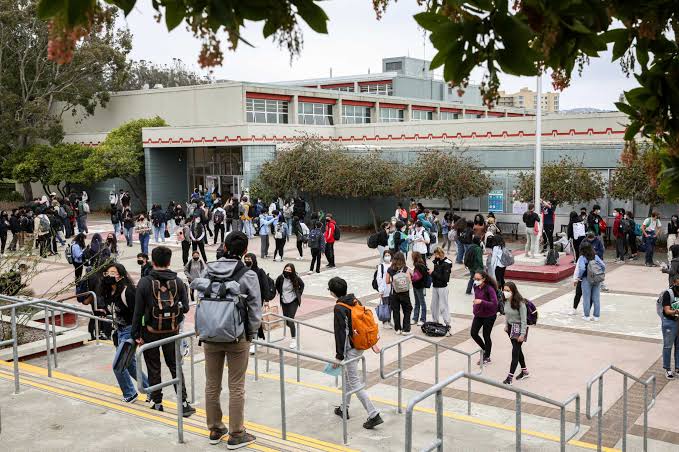
For many buyers, schools are one of the most important considerations when choosing a neighborhood.
Access to highly regarded public schools often increases buyer demand and supports long-term property values.
Even buyers without children frequently recognize that homes in sought-after school attendance areas tend to attract a larger pool of future buyers.
Because school attendance boundaries may change, buyers should always verify school assignments directly with the appropriate district before purchasing a home.
4. Limited Housing Supply
One of the biggest reasons Menlo Park has remained competitive is simple economics:
There are more buyers than available homes.
Unlike communities that have significant room for expansion, Menlo Park has limited opportunities for large-scale residential development.
With relatively little undeveloped land remaining, inventory often remains constrained.
Limited supply combined with strong buyer demand has historically supported home values over time.
5. Strong Neighborhood Appeal
Menlo Park offers a lifestyle that attracts buyers from across the Bay Area and around the world.
Residents appreciate:
- Tree-lined streets
- Established neighborhoods
- Well-maintained parks
- Community events
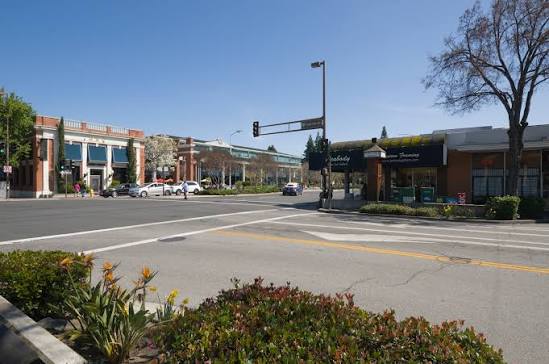
- Local restaurants and cafés
- Boutique shopping
- A welcoming small-town atmosphere
Neighborhoods such as Central Menlo Park, Allied Arts, Sharon Heights, and The Willows each offer their own unique character while contributing to the city's overall appeal.
6. Walkability and Everyday Convenience
Many buyers place a premium on neighborhoods where daily errands don't require a long drive.
Depending on the neighborhood, residents may enjoy convenient access to:
- Downtown Menlo Park
- Coffee shops
- Grocery stores
- Parks
- Farmers markets
- Libraries
- Caltrain stations
Walkability has become an increasingly important factor for today's buyers and can positively influence long-term demand.
7. Quality of Life
People don't choose Menlo Park solely because of its location.
They also choose it because of the lifestyle.
The community offers:
- Excellent recreational opportunities
- Beautiful neighborhoods
- Community events throughout the year
- Nearby hiking and open space preserves
- Easy access to the Peninsula and South Bay
These lifestyle benefits continue to attract professionals, families, retirees, and relocating executives.
8. Well-Maintained Homes and Neighborhoods
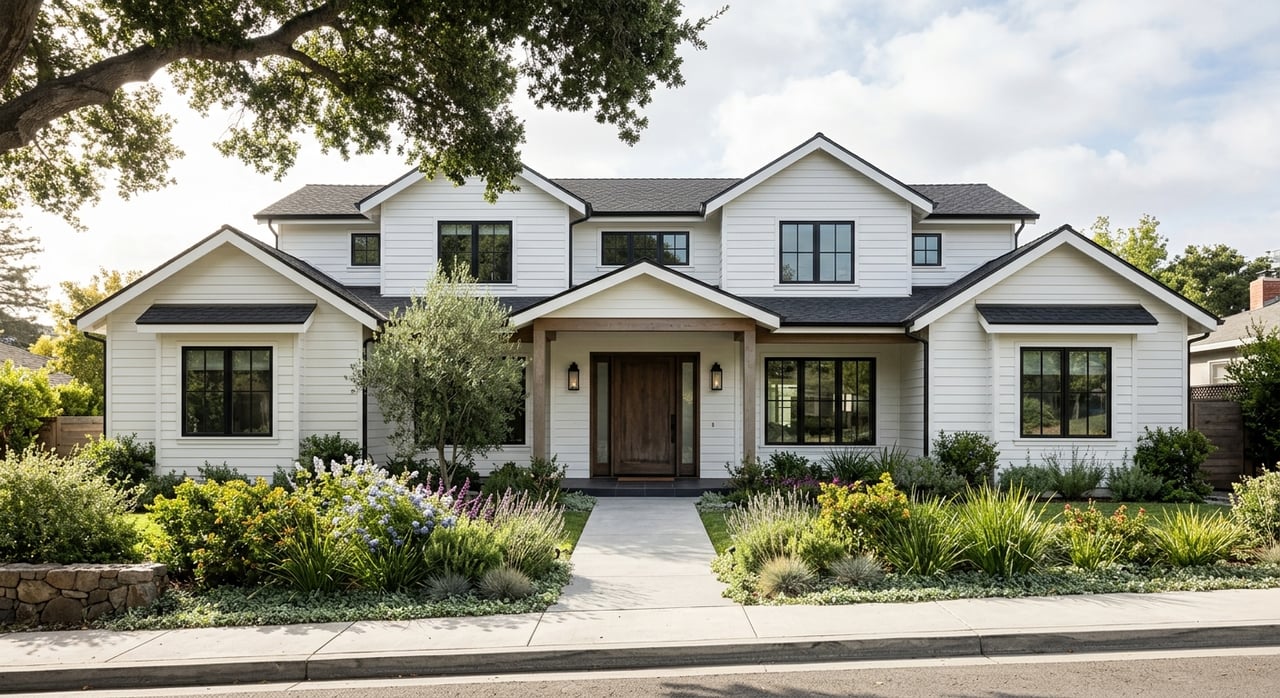
Many Menlo Park neighborhoods feature homes that have been thoughtfully maintained and updated over the years.
You'll find a mix of:
- Charming ranch homes
- Mid-century residences
- Contemporary custom homes
- Luxury estates
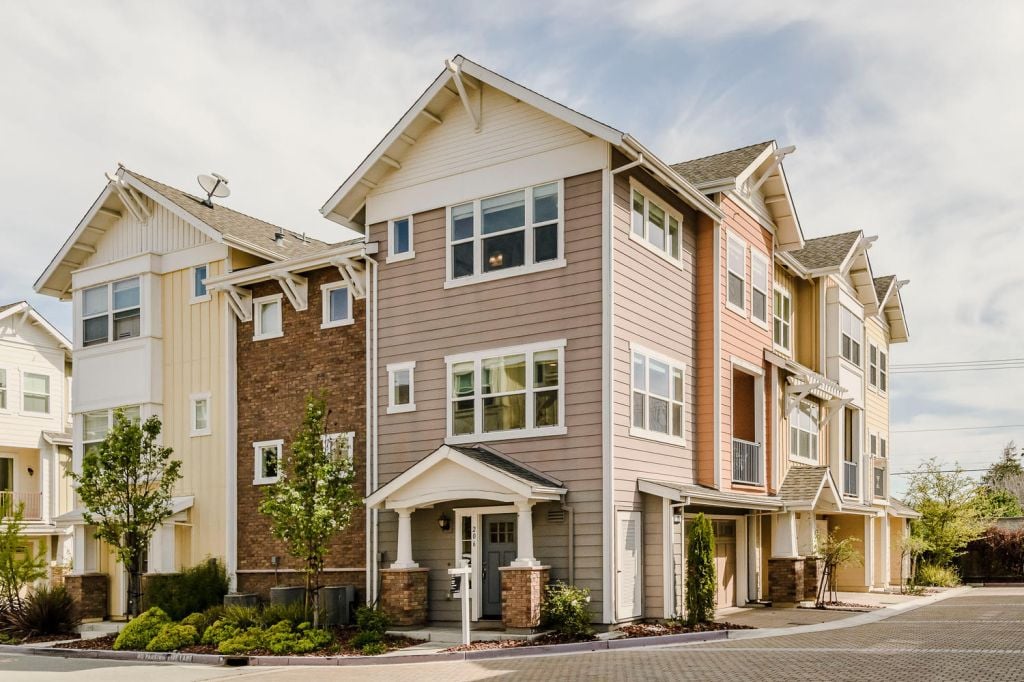
- Newly constructed properties
Well-maintained neighborhoods often create a positive impression for buyers and help support long-term desirability.
9. Investment in Infrastructure and Community Amenities
Communities that continue investing in public spaces, transportation, and infrastructure often remain attractive to future buyers.
Menlo Park continues to benefit from:
- Park improvements
- Bicycle and pedestrian enhancements
- Public transportation access
- Community facilities
- Ongoing neighborhood investment
These improvements contribute to residents' quality of life and the city's long-term appeal.
10. A History of Strong Buyer Demand
While no one can predict future market performance, Menlo Park has consistently attracted buyers due to its unique combination of location, schools, employment opportunities, and lifestyle.
During different market cycles, the pace of appreciation may vary, but buyer interest has historically remained strong because the city's fundamental strengths continue to attract new residents.
Factors That Can Influence Future Appreciation
Although Menlo Park has many positive attributes, home values are influenced by broader market conditions as well.
These include:
- Mortgage interest rates
- Local and national economic conditions
- Housing inventory
- Buyer confidence
- Employment trends
- Government policies affecting housing
Understanding these broader influences can help buyers make informed decisions rather than relying solely on past performance.
Questions Buyers Should Ask
Before purchasing a home in Menlo Park, consider asking:
- How have similar homes performed over the past several years?
- What improvements have nearby homeowners made?
- How much new housing is planned in the area?
- What amenities are within walking distance?
- How competitive is the neighborhood today?
- What makes this neighborhood attractive to future buyers?
These questions can provide valuable insight into the factors that support long-term value.
The Bottom Line
When buyers ask, "What drives appreciation in this neighborhood?", they're really asking whether a community offers the qualities that make it desirable today—and likely to remain desirable in the future.
Menlo Park continues to attract buyers because of its exceptional location, access to major employers, highly regarded schools, limited housing supply, walkable neighborhoods, and outstanding quality of life.
While no one can promise future appreciation, understanding the factors that have historically supported property values can help buyers make confident, well-informed decisions.
If you're considering buying or selling a home in Menlo Park, working with a local real estate expert who understands neighborhood trends, pricing strategies, and market dynamics can help you make the most of your investment.