If you picture Atherton as simply “expensive,” you are missing what actually shapes life there. For many buyers, the real draw is not just price or prestige, but the combination of space, privacy, mature trees, and a residential setting that stays intentionally quiet. If you want to understand what the Atherton estate lifestyle means today, the answer starts with how the town is built and how people use it day to day. Let’s dive in.
Atherton is residential by design
Atherton feels different from many Peninsula communities because it was planned to remain primarily residential. Town planning documents emphasize a low-density pattern with residential and institutional uses, while commercial and industrial uses are prohibited.
That policy choice has a big effect on daily experience. Instead of a busy downtown core, you get a setting defined by homes, landscaping, and a slower visual pace. In practical terms, the estate feel is not accidental. It is built into the town’s structure.
Tree canopy shapes the atmosphere
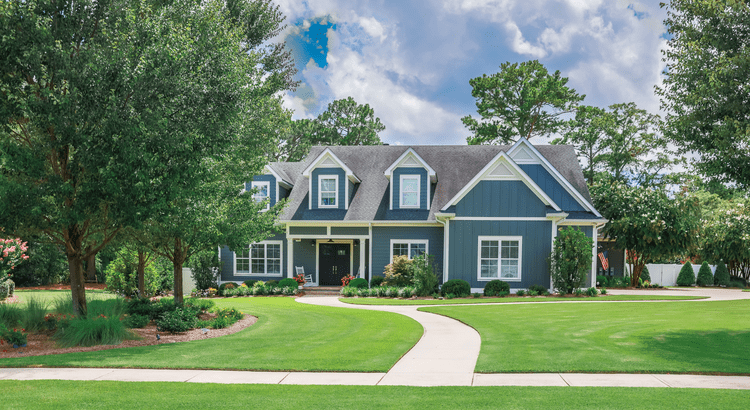
A major part of the Atherton lifestyle is its strong tree cover. The town’s history highlights native oaks, bays, redwoods, cedars, pines, and ornamental trees as part of Atherton’s identity.
That canopy does more than beautify the streetscape. It helps create privacy, softens the scale of large properties, and gives many streets a sheltered, layered look. When people describe Atherton as peaceful or tucked away, the trees are a big reason why.
Large lots define the estate experience
The clearest modern definition of Atherton estate living is lot size. Current zoning includes one-acre minimums in R-1A areas and 13,500-square-foot minimums in R-1B, along with low floor-area ratios, large setbacks, and height limits.
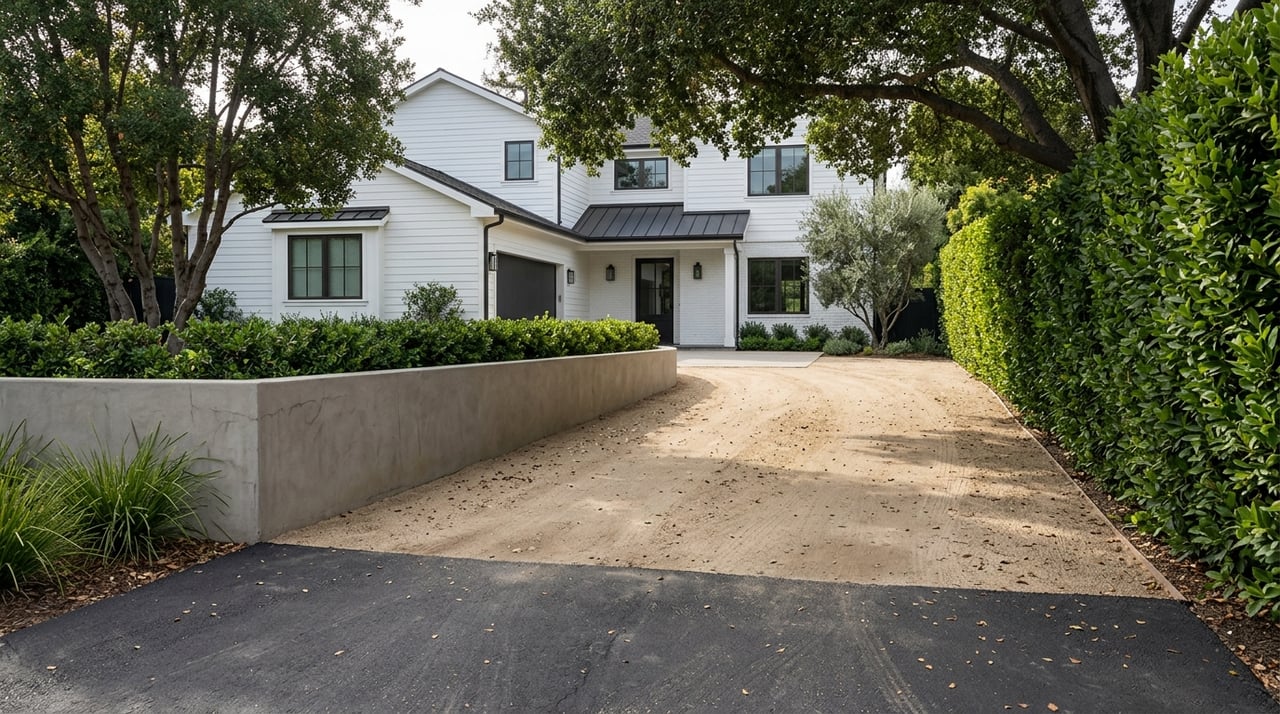
For you as a buyer or homeowner, that usually translates into detached homes on substantial parcels with more distance from the street and from neighboring structures. Landscaping, screening, and open yard areas are not just stylistic choices. They are reinforced by the town’s land-use framework.
Privacy is part of the layout
In Atherton, privacy often comes from the parcel itself. Deep setbacks, layered planting, and wide lot dimensions help create separation before you even step inside a home.
That is one reason Atherton appeals to people looking for a private home base on the Peninsula. The sense of retreat often comes from site planning and land use, not just gates or walls.
The market reflects that scarcity and scale
Estate-scale living in Atherton sits in a rare segment of the market. Redfin reported a median sale price of about $10.9 million in May 2026, while Zillow reported an average home value of about $8.22 million as of May 31, 2026.
Those figures help frame the market, but the bigger takeaway is why values tend to sit at this level. Large parcels, a strictly residential setting, and limited supply create a very specific housing type that is hard to replicate elsewhere on the Peninsula.
Atherton has architectural variety
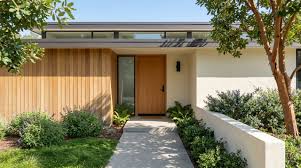
Some luxury markets are known for a single dominant style. Atherton is not one of them. Town documents identify Ranch, Spanish Ranch, Split-Level, and Contemporary homes as part of the local housing stock.
That mix gives the town a more layered character. As you drive through Atherton, you may see older estate houses, mid-century properties, low-slung ranch forms, and newer custom compounds in the same broader area.
New homes add to the mix
Atherton does not require architectural review for new homes, and town documents note that new single-family residential permits are processed ministerially. That creates room for contemporary rebuilds to exist alongside older homes from earlier eras.
For buyers, this means Atherton is not about fitting into one visual mold. It is more about finding the right land, location, and level of privacy, then matching that with the home style that fits your goals.
History still matters today
Even though Atherton’s market is modern, its estate identity has deep roots. The town’s history references early estates such as Almendral, Ringwood, Linden Towers/Lindenwood, Holmgrove, and Fair Oaks.
You can still see that legacy in the way the town is discussed and preserved. Holbrook-Palmer Park, for example, protects a 22-acre former estate landscape for public use, giving residents a tangible connection to Atherton’s earlier estate era.
Daily life inside Atherton is intentionally low-key
One of the most important things to understand about Atherton is that daily life inside town is quiet by design. Amenities are limited and understated rather than commercial or entertainment-driven.
The town library near the Civic Center offers meeting rooms, a reading room, and the renovated Historic Town Hall. Holbrook-Palmer Park adds gardens, walking paths, tennis courts, a ballfield, a playground, and event facilities.
Recreation centers on space and calm
This is not a town built around retail foot traffic or packed commercial corridors. Instead, in-town activity tends to revolve around outdoor space, civic facilities, and residential routines.
For many residents, that is exactly the point. Atherton functions as a calm home environment, while neighboring communities handle more of the dining, shopping, and entertainment mix.
Nearby downtowns extend the lifestyle
Atherton’s estate lifestyle works in part because it sits close to stronger commercial centers. For dining, shopping, and errands, residents often look to nearby downtown Menlo Park, downtown Redwood City, and Palo Alto.
Downtown Menlo Park offers a walkable district with eateries, shops, outdoor dining, events, and Caltrain access. Downtown Redwood City features more than 75 restaurants along with hundreds of retail and personal-service businesses and a major entertainment district. Palo Alto planning materials describe downtown Palo Alto and University Avenue as a diverse mixed-use district with retail, dining, services, and proximity to Stanford Shopping Center.
Private at home, connected nearby
This balance is a big part of what defines Atherton today. You are not choosing an all-in-one live-work-play downtown environment. You are choosing a private residential setting with easy access to several active Peninsula destinations.
That distinction matters when comparing Atherton with nearby cities. Its value is less about being in the middle of activity and more about being close to it while living apart from it.
Walkability means something different here
A common question is whether Atherton is walkable. The answer is limited inside town, especially compared with neighboring downtown districts.
Atherton’s El Camino Real corridor study notes that the local segment lacks continuous pedestrian facilities. That helps explain why the town feels more secluded and residential, while nearby downtowns absorb most of the pedestrian, retail, and restaurant activity.
How Atherton differs from Menlo Park and Palo Alto
Menlo Park and Palo Alto are both closely tied to recognizable mixed-use downtown areas. Atherton is different because its core appeal is not a commercial center. It is the estate lot, the tree canopy, and the lower-density residential setting.
If you value being able to walk out your front door to a cluster of shops and cafés, another nearby market may fit better. If you want substantial land, quiet surroundings, and a short drive to those same amenities, Atherton stands out.
Who tends to be drawn to Atherton
Atherton often appeals to buyers who prioritize privacy, land, and flexibility in the home environment. The town’s layout and zoning naturally support detached living on larger parcels in a low-key setting.
In practical terms, that can attract buyers seeking a quieter Peninsula home base while staying close to Silicon Valley employment centers and surrounding downtowns. The more lasting distinction, though, is not any one buyer profile. It is the property type itself: estate-scale residential living in a highly constrained setting.
What defines the Atherton estate lifestyle now
Today’s Atherton estate lifestyle is best understood through a few consistent traits. It is shaped by large lots, mature tree cover, privacy-oriented planning, architectural variety, and a quiet residential identity.
It is also defined by what Atherton is not. It is not centered on a commercial district, a single architectural style, or a highly walkable retail core. Instead, it offers a private home setting that relies on nearby Menlo Park, Redwood City, and Palo Alto for much of the region’s day-to-day activity.
If you are evaluating Atherton, that clarity matters. The town offers a very specific Peninsula lifestyle, and understanding the land-use pattern is often the key to understanding the value.
If you want help evaluating Atherton homes, comparing lot and zoning trade-offs, or understanding how Atherton fits into the broader Peninsula market, connect with NOOPUR GUPTA for a data-driven, high-touch consultation.
FAQs
What defines the Atherton estate lifestyle today?
- The modern Atherton estate lifestyle is defined by large residential lots, strong tree canopy, privacy-oriented land-use rules, architectural variety, and close access to nearby Peninsula downtowns.
Is Atherton walkable for daily errands and dining?
- Walkability inside Atherton is limited, and most dining, shopping, and everyday errands are typically handled in nearby downtown Menlo Park, Redwood City, and Palo Alto.
Does Atherton have one main home style?
- No. Atherton includes a mix of Ranch, Spanish Ranch, Split-Level, Contemporary, and older estate-era homes rather than one dominant architectural style.
Why does Atherton feel so private?
- Atherton’s privacy comes largely from its zoning and lot patterns, including large parcels, setbacks, low-density residential planning, and mature landscaping.
How is Atherton different from Menlo Park or Palo Alto?
- Atherton is more focused on private residential estate living, while Menlo Park and Palo Alto are more closely associated with mixed-use downtown districts and walkable commercial activity.