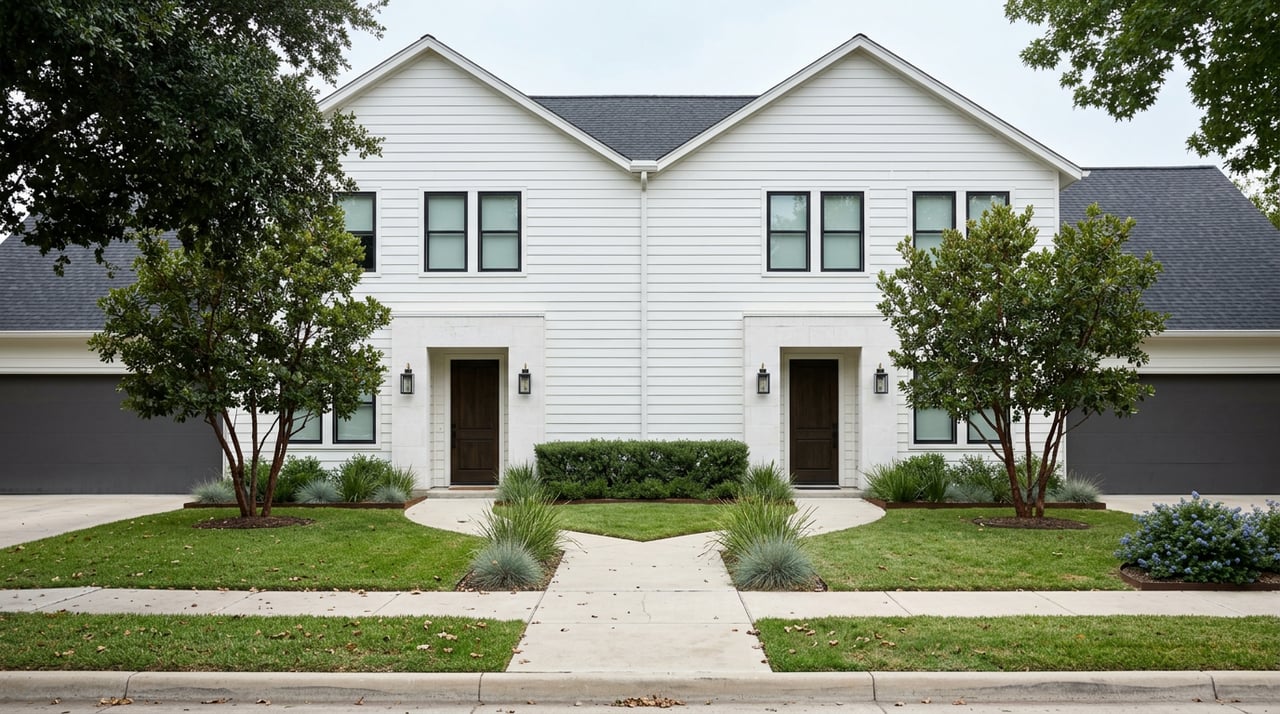
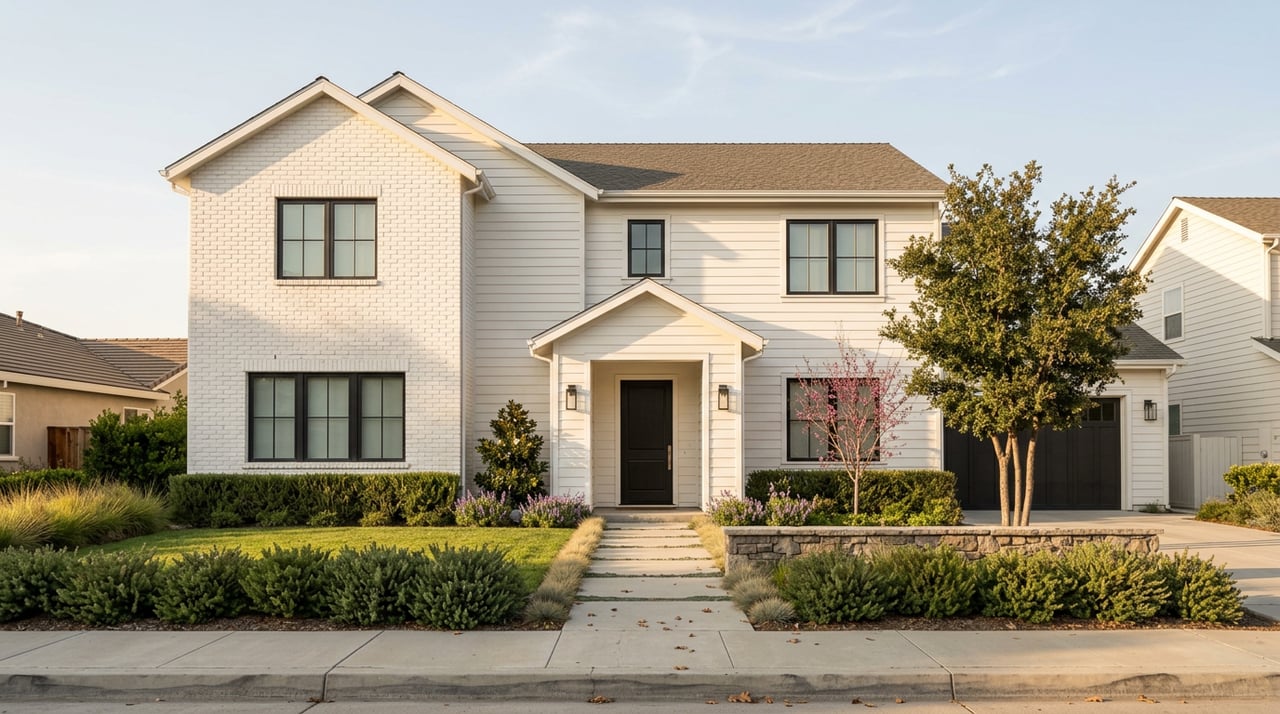
Picture two rental properties on the same street in Mountain View. Same era of construction, same lot size, same rough condition, same asking cap rate. One has two units. The other has three.
Under California and Mountain View law, these are not the same investment. They are not close. The property with two units answers to state rent law and nothing more. The property with three units, depending on exactly when it was built, may be locked into a rent ceiling set once a year by a city committee, along with a set of rules about how and why you can end a tenancy. An investor who underwrites both buildings the same way is missing the mechanism that actually determines what each one is worth to hold.
That mechanism is Mountain View's Community Stabilization and Fair Rent Act, known locally as the CSFRA, and it deserves more attention from buyers than the phrase "Mountain View has rent control" usually gets.
Why the unit count matters more than the price
Voters approved the CSFRA as Measure V in November 2016. The ordinance created a Rental Housing Committee, five Mountain View residents appointed by the City Council, who now set rent policy for a defined slice of the city's rental stock and meet publicly on the fourth Thursday of each month at City Hall on Castro Street.
The coverage rule is narrower than most buyers assume. The CSFRA by its own definition applies only to multi-family rental properties with three or more units. A duplex, no matter how old, sits outside it entirely, simply because Mountain View's ordinance never reaches down to two-unit buildings. Separately, California's Costa-Hawkins Rental Housing Act exempts single-family homes and condos from local rent caps statewide, which covers a different slice of the market than the duplex carve-out but points in the same direction: the smaller the property, the less local rent law has to say about it. A two-unit property falls back only on the state's Tenant Protection Act, AB 1482, which allows steeper annual increases and applies a looser eviction standard than the CSFRA.
Add a single unit and the calculus changes. Once a building has three or more units, its treatment depends on when it was built, and that date sorts buildings into three distinct regulatory positions rather than a simple covered-or-not binary.
| Building type |
Rent cap applies |
Just-cause eviction rules apply |
| Any building with 1 or 2 units |
No (state AB 1482 backstop only) |
Only under state law |
| 3+ units, built on or before Feb. 1, 1995 |
Yes, full CSFRA coverage |
Yes |
| 3+ units, built after Feb. 1, 1995 and on or before Dec. 23, 2016 |
No |
Yes |
| 3+ units, built after Dec. 23, 2016 |
No |
Only under state law |
A triplex built in 2005 and a fourplex built in 1985 might look like the same asset class to an out-of-area buyer scanning listings. Under the CSFRA they are not. The 1985 building has both a rent ceiling and a nine-reason just-cause standard for ending any tenancy. The 2005 building has the eviction rules but no cap on annual rent increases at all, which means an investor can move a tenant's rent toward market on their own schedule as long as they follow state notice requirements.
The rent ceiling doesn't reset when the building changes hands
For fully covered buildings, the CSFRA anchors every unit to a specific number called the Base Rent. If a tenancy existed on or before October 19, 2015, the Base Rent is whatever that tenant was paying on that date. Every legal increase since then has been layered on top of that figure, one year at a time, through the Rental Housing Committee's Annual General Adjustment.
That adjustment is tied to the Bay Area Consumer Price Index, with a floor of 2 percent and a ceiling of 5 percent regardless of how inflation actually moves. For the cycle running from September 1, 2025 through August 31, 2026, the committee set the adjustment at 2.7 percent, a figure it adopted at its April 2025 meeting. The committee sets a new number each spring for the year ahead, so an investor underwriting a deal today should confirm the current figure directly with the Rental Housing Committee rather than treating any single year's number as fixed.
Here is the part that catches buyers off guard. Closing on a fully covered building does not reset that Base Rent. If a tenant has lived in a unit since 2014 and is still there, the new owner inherits whatever ceiling a decade of small annual adjustments has produced, which can sit well under current market rent for the neighborhood. The owner cannot jump that unit to market on day one of ownership. Rent resets to market only when the existing tenant leaves voluntarily, at which point the state's vacancy decontrol rules allow the next lease to be priced fresh. Until that turnover happens, the math on a legacy tenancy is whatever the Base Rent plus a decade of AGAs says it is, not whatever the rent roll implies the unit could fetch.
This is the single most common reason a rent-stabilized Mountain View property underperforms a buyer's initial pro forma. The fix isn't to avoid covered buildings. It's to price the deal off actual current rents per unit, not off what a comparable unbuilt-controlled unit down the street is asking.
An operating detail that shows up after closing, not before
Older buildings in Mountain View sometimes bill utilities separately through a Ratio Utility Billing System, or RUBS, which spreads a building's total utility cost across tenants by formula rather than by individual meter. In December 2023, the Rental Housing Committee adopted regulations clarifying that for fully covered units, utilities count as part of rent, which means RUBS billing for any tenancy that started before March 1, 2024 has to be phased out through a One-Time Utility Adjustment Petition filed with the city.
A buyer who assumes a seller's existing utility billing setup will carry over unchanged is assuming wrong. The petition process folds those charges into a fixed rent amount going forward, and depending on how the math shakes out, that can move the effective rent for a unit up or down. It's a detail that lives in the operating expense line of an underwriting model, not the purchase agreement, which is exactly why it gets missed until a new owner is already managing the property.
What this means before you write an offer
None of this argues against buying small multifamily in Mountain View. The city's concentration of major technology employers has kept rental demand strong for years, and a covered building with a stable, long-tenured rent roll can still be a sound hold. The point is that the regulatory status of a specific building, not its size or its list price, is the first thing to confirm.
The city maintains a search tool on its rent stabilization page where a property address can be checked against CSFRA coverage before an offer goes in. Running that check, along with pulling the building permit date to confirm which of the three regulatory zones a 3+ unit property falls into, belongs at the top of any Mountain View multifamily due diligence list, ahead of the inspection and well before the appraisal.
At Gupta Heights, that kind of verification is part of how we walk investor clients through Peninsula acquisitions, whether the target is a legacy duplex in Mountain View or a value-add fourplex a few blocks away. If you're comparing small multifamily opportunities across Mountain View and the broader Peninsula and want a clear read on how a specific building's regulatory status affects its underwriting, schedule a consultation and we'll work through the numbers together.
Frequently asked questions
Does a two-unit property in Mountain View ever fall under the CSFRA?
No. The ordinance's coverage threshold is three or more units. A duplex, regardless of age, is governed by state law, primarily AB 1482, rather than the city's local rent and eviction rules.
Can a new owner reset rents to market right after buying a covered building?
Only for units where the existing tenant has voluntarily vacated. As long as a tenant from before October 19, 2015 or from any later move-in date remains in place, that unit's rent is capped at its Base Rent plus each year's Annual General Adjustment, regardless of who owns the building.
How can I confirm a property's coverage status before making an offer?
The City of Mountain View's Rent Stabilization Division maintains an online lookup where an address can be checked against CSFRA coverage, and building permit records will confirm the construction date needed to determine which of the three regulatory tiers a 3+ unit property falls into.