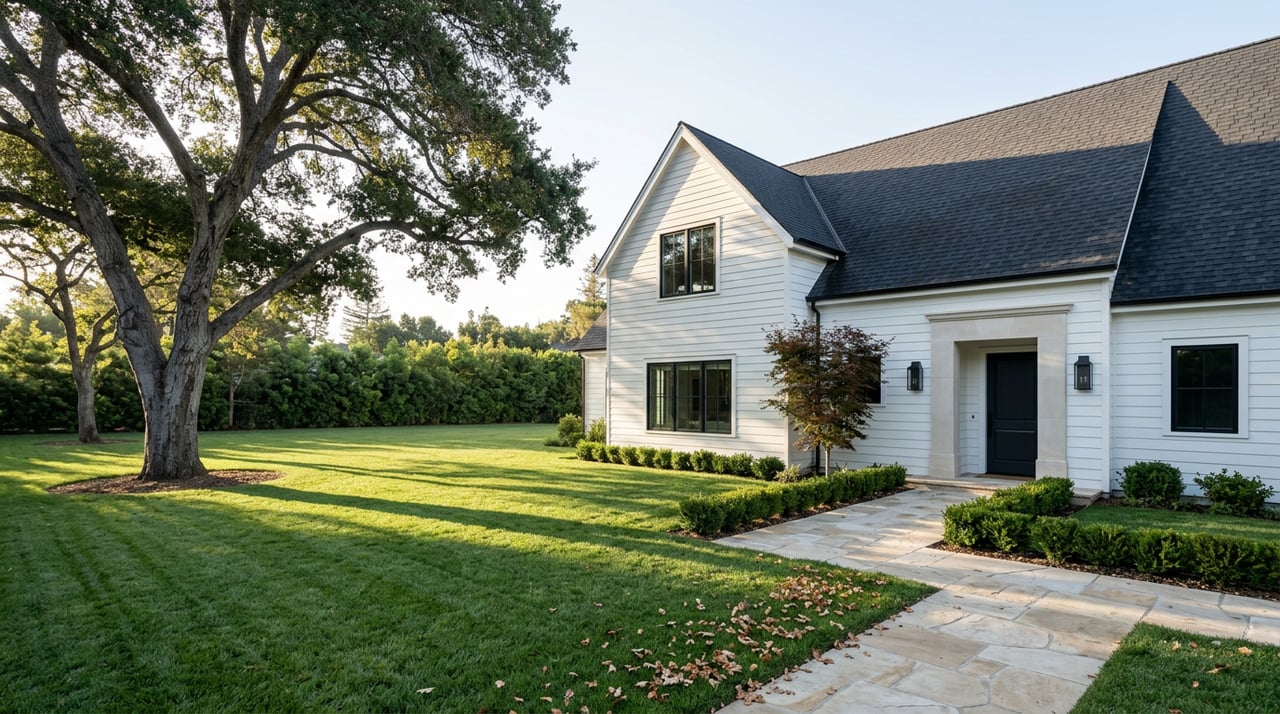
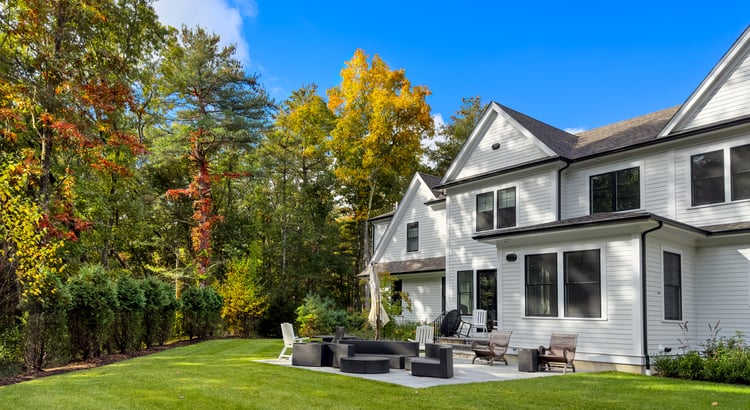
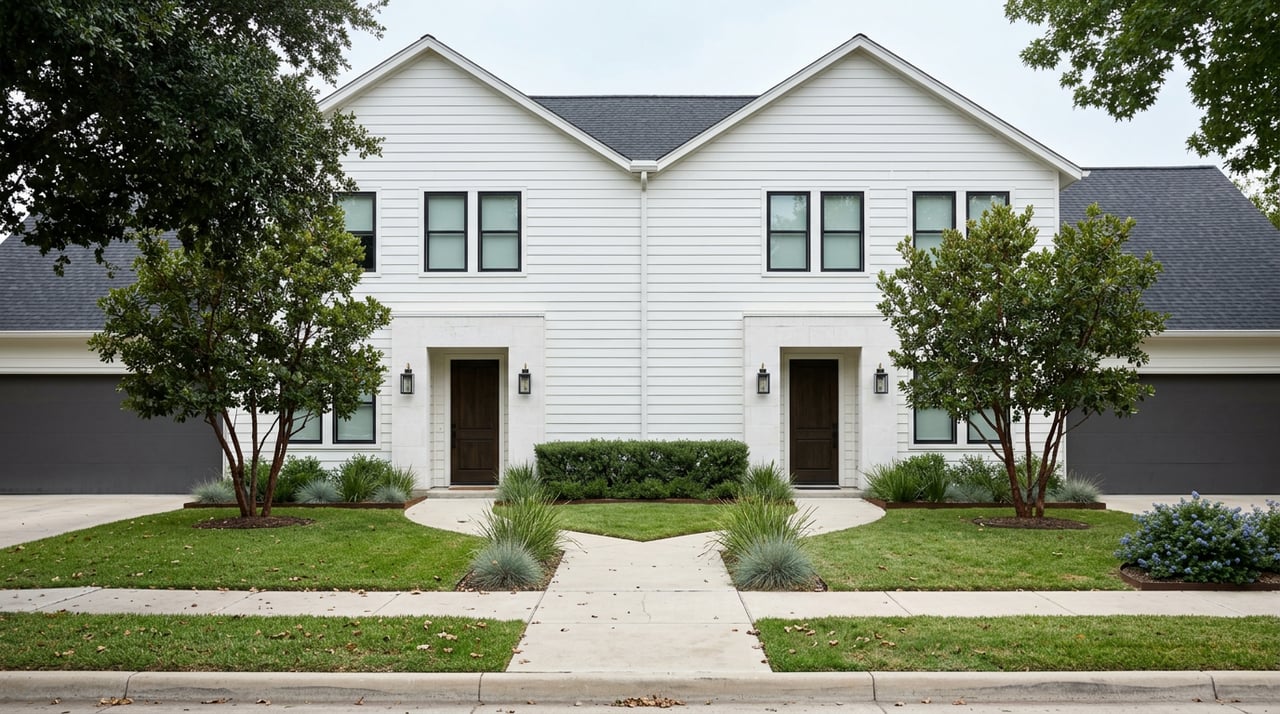
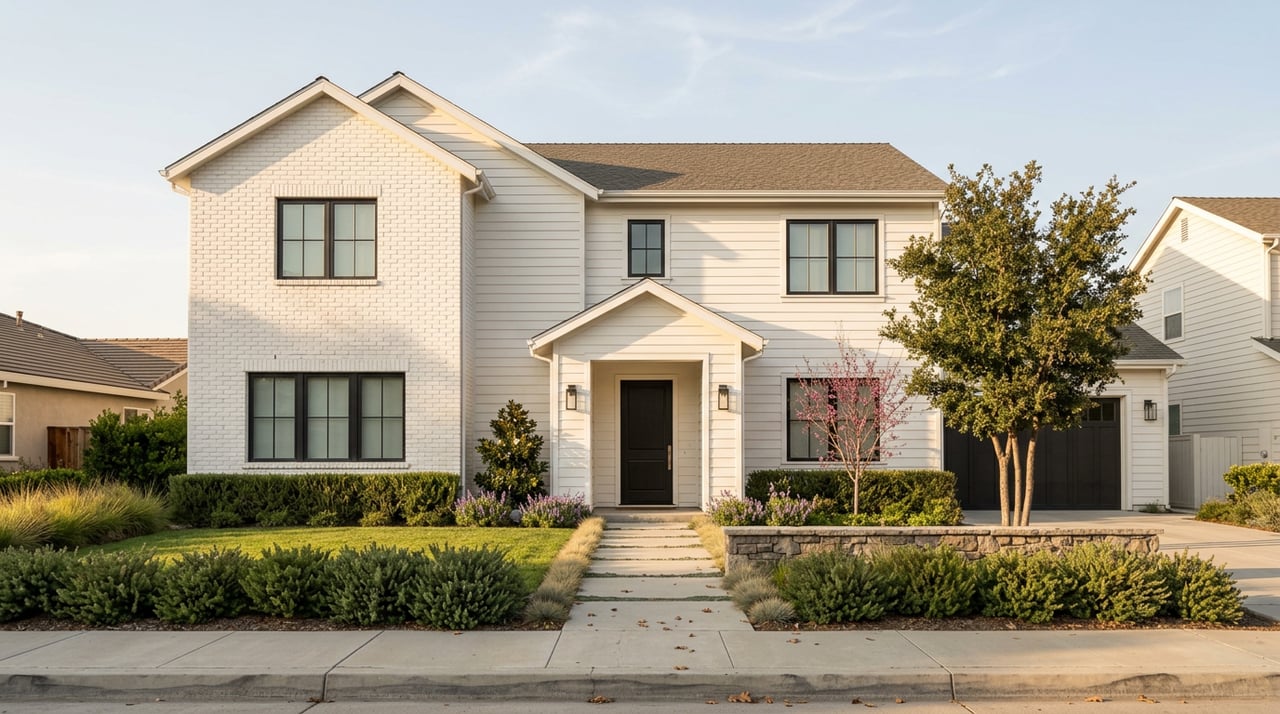
On January 24, 2025, the Atherton Planning Commission spent part of a Tuesday afternoon deciding what a 31.9-inch coast redwood was worth. Not to the property. To the town. A private arborist appraised the tree at $21,900. Because a contractor had damaged its roots during patio work that started before plans were formally submitted, the town cited the homeowner for $10,950, exactly half the appraised value. Code enforcement officer Lisa Marie Veil told the commission the number that mattered most that day: if the tree had simply been removed instead of damaged, the penalty would have doubled to roughly $42,000.
That gap between the two outcomes, half the appraised value for damage versus double for outright removal, is not an accident of drafting. It is the entire logic of Atherton's Heritage Tree Ordinance, and it tells a buyer or seller more about how this town actually operates than the sale price on any comp sheet.
The Math Behind the Ordinance
Chapter 8.10 of the Atherton Municipal Code does not treat every tree violation the same way. Disturbing or damaging a protected heritage tree carries a civil penalty equal to half its appraised value. Removing one without a permit carries a penalty of double its appraised value. That's a four-to-one spread built into the same chapter, covering the same category of tree. A heritage tree, under that chapter, is any tree with a trunk circumference of 48 inches or more measured 54 inches above natural grade, plus any tree the town has separately designated for protection regardless of size.
The town's own findings explain the reasoning without much hedging: "The Town is endowed with and forested by oaks, redwood, bay and other trees," and their preservation is treated as central to what Atherton is, not a landscaping preference attached to it.
The math is engineered to make a homeowner stop and file paperwork rather than solve an inconvenient tree with a chainsaw. Apply for a Heritage Tree Removal permit and the town will schedule a Planning Commission hearing where you can make your case. Skip the process and the penalty structure is built to cost four times more if the tree comes down entirely than if it's merely damaged along the way. The 50 Lilac Drive case shows the town enforces even the smaller end of that spread for something as unglamorous as accidental root damage during hardscape work. The incentive to get ahead of the process isn't theoretical. It's already been billed.
Why This Shows Up Right Before a Sale
The moment this ordinance costs someone real money is rarely random. It tends to land during exactly the kind of work that happens right before a listing goes live or right after a close: patio additions, yard refreshes, driveway work, the small projects meant to make a property show well or feel like a new owner's own. The 50 Lilac Drive violation traced back to hardscape work that began before a formal plan was submitted, and the damage itself wasn't discovered until a private arborist flagged root disturbance nearly two years after permits had already been issued for a separate garage project. A seller preparing a home for market, or a buyer eager to make a fresh purchase feel finished, is often the person standing closest to the equipment when a root gets cut.
For a seller in Atherton, that means a pre-listing improvement plan should start with an arborist walk-through before any contractor breaks ground, not after a problem surfaces. For a buyer who already has renovation plans in mind, it means pricing a Tree Protection and Preservation Plan into the project timeline from the start, not discovering it as a line item once escrow is already open.
The Second Line Item the Comp Sheet Doesn't Show
Atherton's sale data rarely separates homes by utility connection, but the distinction matters more here than in most Peninsula towns. The town is officially divided into two municipal sewer districts, the Fair Oaks Sanitation District and the West Bay Sanitation District, and most properties tie into one or the other. Local contractors who work on Atherton's older housing stock regularly note that a real share of those homes still run on private septic systems rather than a municipal connection, a byproduct of large lots that were developed before sewer lines reached every property.
That distinction changes what happens during due diligence. A septic system needs its own inspection, separate from a standard home inspection, and on many jumbo loans a lender will ask for documentation a buyer hasn't gathered yet: pump records, tank age, drain field condition. None of that shows up in a listing photo. A buyer who assumes every Atherton estate sits on the same infrastructure can lose real time in escrow finding out it doesn't.
The Public Process Moves in Months, Not Days
Trees and septic systems both feed into a third friction point: how long it takes to get anything approved once the property is yours. Atherton's own Heritage Tree Preservation Standards require written verification from the Town Arborist before a building, grading, or demolition permit can even be issued if a heritage tree sits anywhere near the work. That approval doesn't happen at a counter. It routes through the same kind of public calendar the town uses for everything else.
A useful illustration played out earlier this year with an unrelated ordinance. When Atherton needed to update its housing rules for state compliance, the process ran through a Planning Commission meeting on January 28, a first City Council reading on February 18, a second reading and adoption on March 18, and a submittal to the state's housing agency on March 26, all for a single ordinance change. Two calendar months, four separate public steps. Heritage tree removals and significant remodels follow that same kind of paced, publicly noticed cadence rather than a same-week permit desk. A buyer who plans to close and start construction the following month is planning against a calendar the town was never built to hit.
A Rule That Already Reshaped Seven Addresses
A new state law, SB 79, took effect on July 1, 2026, and the town identified seven specific parcels within Atherton where it applies, including one property on Victoria Drive. On those parcels, the law sets a floor the town cannot build below: a minimum allowable height of 75 feet, a minimum density of 120 dwelling units per acre, and a minimum floor area ratio of 3.5. For a town built almost entirely on one-acre single-family lots with no commercial zoning anywhere, that's a real exception now sitting on a small number of addresses, worth knowing if you're evaluating a property on one of those specific parcels for anything beyond a single estate home.
What This Adds Up To
The obvious story about Atherton is that everything costs more because the homes cost more. The more useful story is narrower: the town has built specific financial incentives into its own rules that reward whoever asks permission first, whether the question involves a tree, a septic line, or a remodel. The properties that close without drama are usually the ones where a previous owner, or a careful listing agent, already did that asking. The ones that produce six-figure surprises are usually the ones where nobody did.
A couple of questions this raises
Can I trim a tree that overhangs my property from a neighbor's yard?
California law allows trimming branches back to the property line without a neighbor's permission, but if the tree is a protected native oak or otherwise falls under Chapter 8.10, aggressive trimming can create removal liability for your neighbor, and the tree's protection zone can extend onto your side of the line regardless of where the trunk stands.
Does a home on septic take longer to close than one on municipal sewer?
It can. A septic system requires its own inspection separate from a standard home inspection, and jumbo lenders sometimes request documentation the standard process doesn't cover, so it's worth building extra time into the contingency period before you write an offer on a property you suspect isn't tied to Fair Oaks or West Bay Sanitation.
Every one of these frictions is knowable before you're in contract, not after. That kind of groundwork is what Gupta Heights builds into every Atherton search, every listing prep timeline, and every offer strategy, matching the town's paperwork to your calendar before either one is working against you. If you're weighing a purchase, a sale, or a remodel on an Atherton lot, schedule a consultation and we'll walk through the specifics with you before they become expensive.